Deep Sea Mining: Technological Feasibility vs. Environmental Morality

Deep sea mining is rapidly becoming technologically feasible, but it poses profound and potentially irreversible risks to fragile deep ocean ecosystems, climate regulation, and undiscovered biodiversity. While proponents argue it could supply critical minerals for the energy transition, scientific consensus warns that the environmental and ethical costs far outweigh current benefits, especially given uncertain long-term impacts and weak governance. A precautionary global moratorium, stronger regulations, and prioritizing recycling and alternative technologies are necessary before proceeding with any large-scale exploitation of the deep sea.


Coral Bleaching: How To Respond To The Ongoing Emergency?

Coral reefs are facing the worst global bleaching event on record, with over 80% of reef areas affected between 2023 and 2025, threatening biodiversity and the livelihoods of over a billion people. The main causes of coral bleaching include rising ocean temperatures, ocean acidification, and local stressors like overfishing and pollution, leading to the loss of half of the world’s corals since 1950. A coordinated global response is essential, involving emissions reduction, local conservation, scientific restoration, effective monitoring, policy reform, and legal action to protect and restore reef ecosystems.

What’s In An NBSAP?

NBSAPs stand for National Biodiversity Strategies and Action Plans; they are the mechanism for implementing the Kunming-Montreal Global Biodiversity Framework at the national level. Creating an ambitious NBSAP involves a multi-stakeholder process that engages actors such as government and civil society.Most countries missed the COP16 deadline to submit their updated NBSAP, with commonly cited reasons including a lack of capacity and national elections, and some decided to update their national targets instead.

Blue Carbon Ecosystems: An Introduction

Blue carbon ecosystems such as seagrass, mangroves and salt marshes store carbon and are crucial to climate change mitigation and adaptation. They also provide other economic and social benefits for people. These ecosystems are very vulnerable to and threatened by human activities.Governments and other actors should place focus on the conservation and restoration of these ecosystems.

Fighting On Two Fronts: The Twin Climate And Biodiversity Crises

The climate crisis and biodiversity crisis are deeply interconnected, and both need to be solved. There has been limited focus on jointly tackling climate change and biodiversity loss in international policy. As a year with 3 COPs, 2024 provides a unique opportunity to implement policy to solve both the climate and biodiversity crises and reassess how the international system tackles these crises.

What Are OECMs and How Do They Work?

Other Effective Conservation Methods (OECMs) are sites that effectively conserve biodiversity even if biodiversity conservation isn’t their primary purpose. They differ from protected areas which are established specifically for biodiversity conservation, whilst OECMs don’t require conservation as the main goal. OECMs have the potential to help achieve effective and equitable conservation, though concerns remain regarding their implementation.

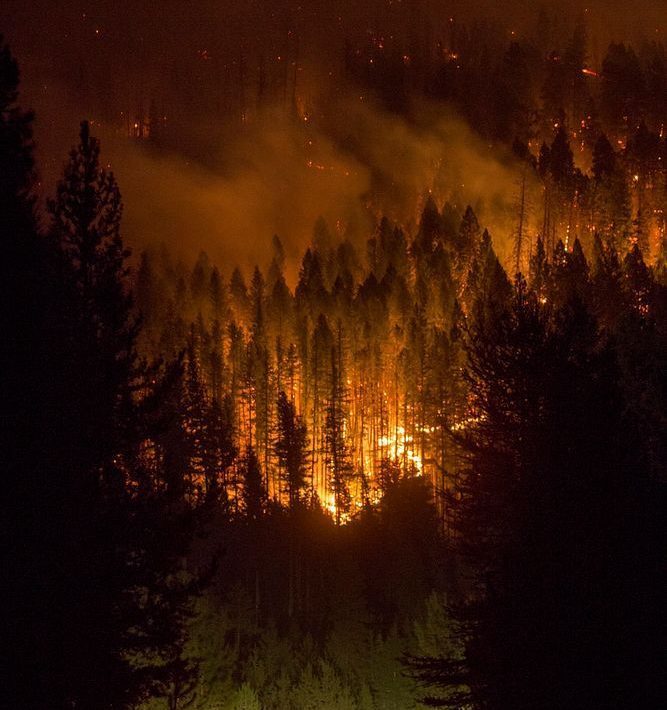
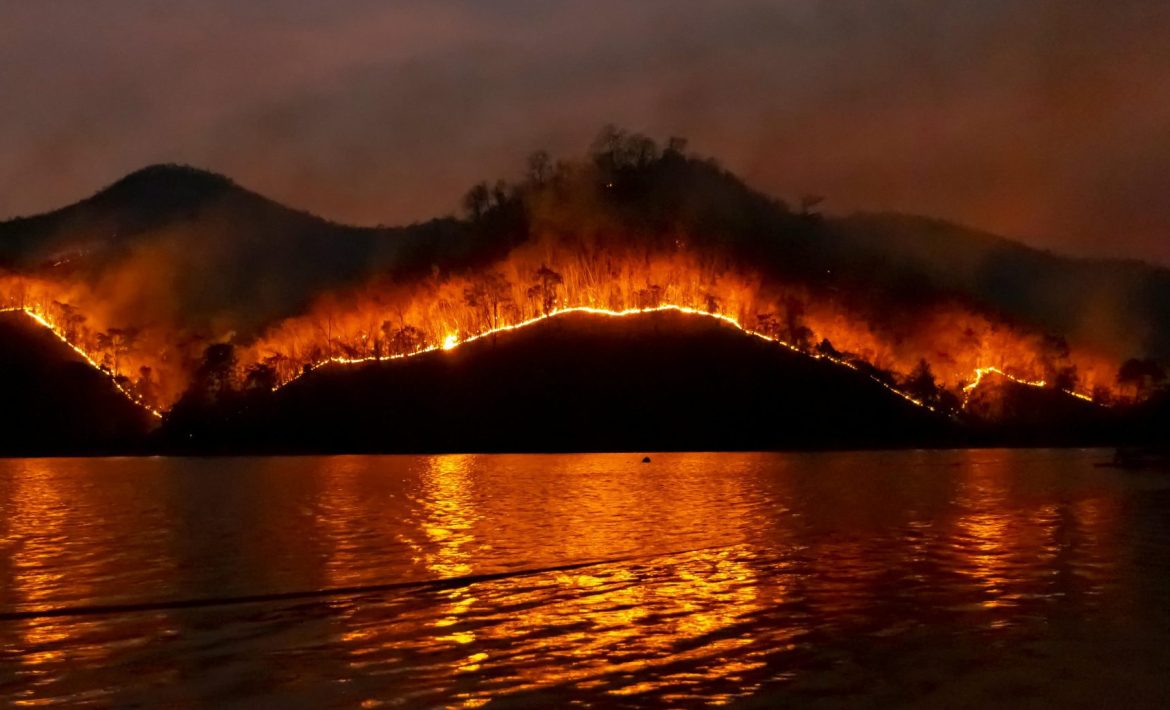
Wildfires: Their Impact On Climate, Biodiversity And Society

Wildfires are increasing in frequency and intensity due to rising global temperatures, posing a significant threat to climate, biodiversity, and society. Wildfires not only contribute to climate change but also disrupt ecosystems, leading to biodiversity loss and detrimental effects on human health and economies. Effective policy interventions are needed to manage wildfires, mitigate their causes, and reduce their impact on communities and ecosystems.

Nature-Based Solutions: An Introduction

Nature-based solutions (NbS) are an umbrella term that involves using nature to address societal problems as well as create benefits for biodiversity and climate action. NbS have gained traction in international policy in recent years as a form of climate action being mentioned in various COPs. There is potential for NbS to combat the biodiversity and climate crises, however, the site-specific nature of NbS, makes it difficult to generalise and compare with other alternatives.

Ecological Consequences Of Dam Destruction: A Focus On The Nova Kakhovka Dam

The Nova Kakhova Dam destruction in June 2023 was one of the largest environmental disasters of our time. Significant downstream impacts were nitrogen, phosphorus and metal pollution, loss of protected habitats, water logging, loss of biodiversity and marine pollution. Upstream impacts were loss of irrigation and drinking water supply, reduction in hydropower capacity and habitat destruction.

The Power of Participative Preparation – Investigating the Effect on International Organizations’ Policy Ambition and Comprehensiveness in Biodiversity Governance

by Lara Breitmoser Provenance of the research: 1. Abstract/Summary: The international community has so far failed to halt the loss of biodiversity including falling short of all Aichi targets the UN had set for 2020. Drawing the lessons from the previous defeat, the parties to the Convention on Biological Diversity decided to change to a...