ICJ Asked To Clarify Countries’ Obligations To Fight Climate Change

In a historic unanimous resolution the UNGA asked the ICJ to clarify what are states’ obligations to combat the climate crisis Pacific island students originated and fought for this, eventually getting more than 120 states on board While not binding, the ICJ’s opinion can provide an important argument in future climate litigation cases and encourage governments’ to strengthen their climate action

Deep Sea Mining: Technological Feasibility vs. Environmental Morality

Deep sea mining is rapidly becoming technologically feasible, but it poses profound and potentially irreversible risks to fragile deep ocean ecosystems, climate regulation, and undiscovered biodiversity. While proponents argue it could supply critical minerals for the energy transition, scientific consensus warns that the environmental and ethical costs far outweigh current benefits, especially given uncertain long-term impacts and weak governance. A precautionary global moratorium, stronger regulations, and prioritizing recycling and alternative technologies are necessary before proceeding with any large-scale exploitation of the deep sea.

Indonesian Nickel: Economy vs Environment

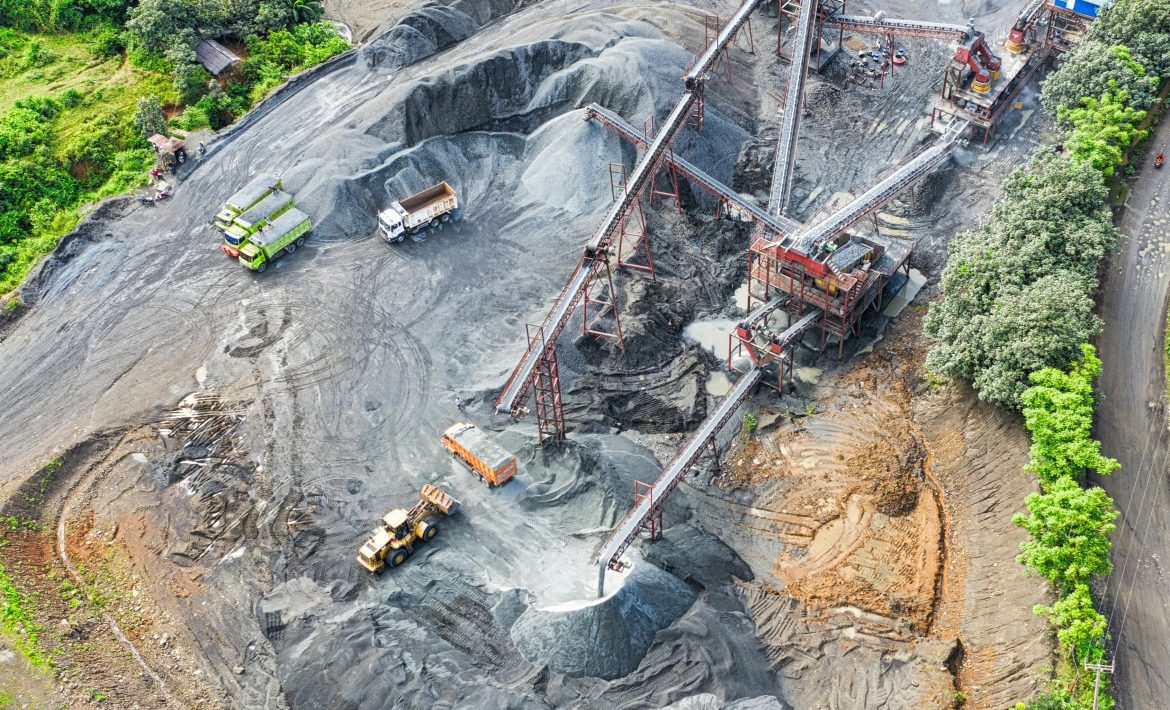
Currently the world’s largest nickel producer, Indonesia plans to expand mining further to meet the demand for clean energy technologies Nickel extraction has negative environmental and social impacts, resulting in deforestation, water pollution, biodiversity loss, illness, and other concerns The national ambitions of critical material production, overlooking its costs, reveal a gap between industrial goals and the material reality of Indonesia

Indonesian Nickel: What Is Its Role In The Just Transition?

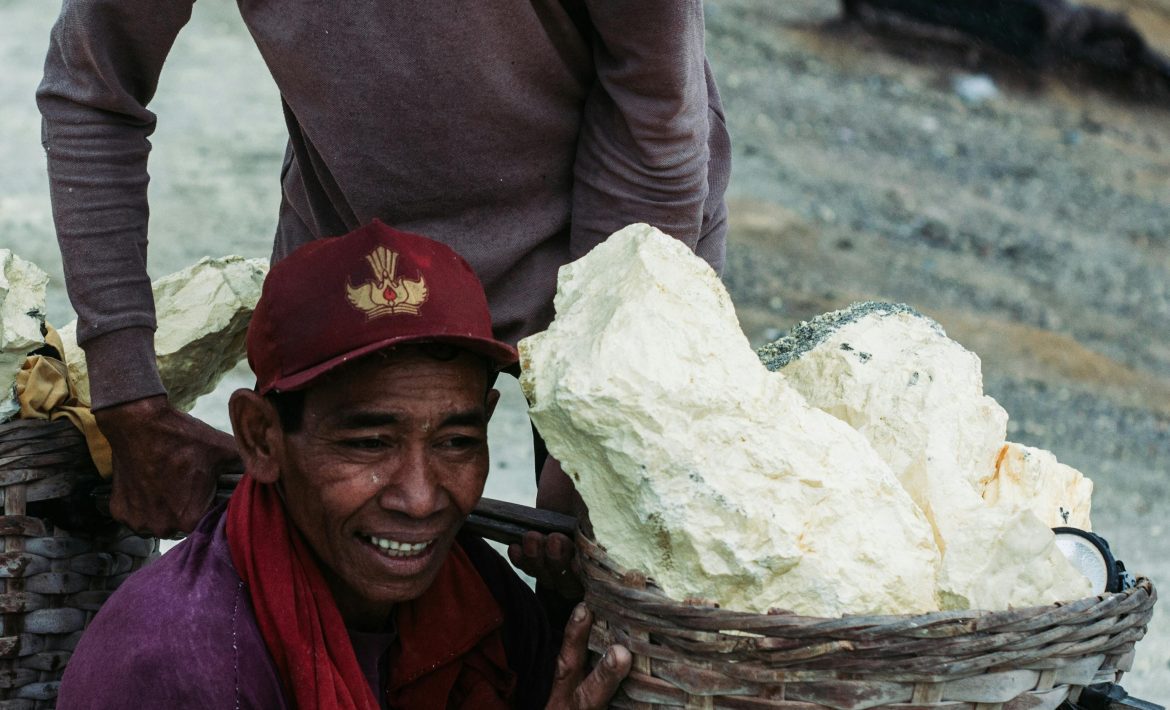
Indonesia's nickel industry is made possible by foreign investment, with extraction fueling global clean tech supply chains, while local communities bear the environmental and social consequences Fair trade advocates in the Global North imagine a technology transfer and ethical downstreaming investment, but essentially a systemic shift in transportation models and a reduction of mineral consumption is necessary for climate action For long term resilience in terms of both the environment and global trade, Indonesia has the opportunity to invest in public welfare, green education for workers, and economic diversification beyond nickel

The Climate Crisis And Its Disproportionate Impact On Small Island Developing States (SIDS)

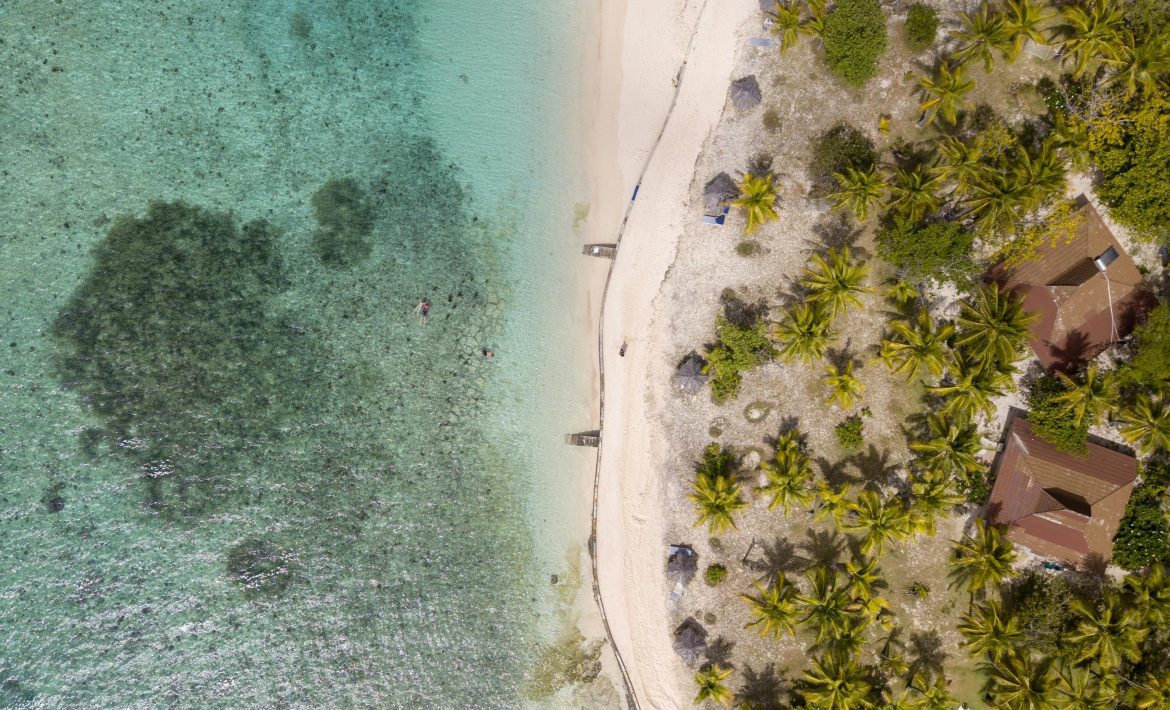
SIDS are highly vulnerable to climate change due to rising sea levels, extreme weather events, and dependence on climate-sensitive sectors like tourism and fisheries. SIDS face significant economic and environmental challenges, including high debt, weak financial resilience, inadequate infrastructure, and limited capacity to adapt to the changing climate. Despite their minimal contribution to global emissions, SIDS lead climate negotiations through alliances and advocacy.

Balancing Development And Emissions: The Climate Burden On Emerging Economies

Emerging economies, like South Africa, face the dual challenge of reducing greenhouse gas emissions while continuing to develop economically, making them key players in global climate change mitigation and adaptation efforts. South Africa, heavily reliant on coal, has committed to ambitious emission reduction targets through national laws and the Just Energy Transition Plan, which seeks to balance decarbonization with social equity. The country still requires substantial international financial support to achieve these goals, and the broader question remains whether rapid decarbonization can be achieved without hindering economic development.

Government-Indigenous Joint Management of Environmental Sites: 50 Years Cobourg Peninsula

Australia was the first country to designate a Wetland of International Importance under the Convention on Wetlands of International Importance, otherwise known as the Ramsar Convention. Cobourg Peninsula is one of 67 Australian Ramsar wetlands, covering 8.3 million hectares; globally there are over 2,500 Ramsar sites today, covering more than 250 million hectares. Cobourg Peninsula is jointly managed by the Garig and Iwaidja Arrarrkbi peoples through the Garig Gunak Barlu National Park and the Northern Territory Government, namely the Parks and Wildlife Commission.

UNDP’s Peoples’ Climate Vote: How Does Climate Anxiety Affect Us?

The UNDP's Peoples' Climate Vote 2024 survey reveals growing global concern about climate change and a strong demand for more ambitious climate action. Unlike the 2021 survey, the 2024 results show increased climate anxiety across all age groups, with a significant majority advocating for a rapid transition away from fossil fuels and better protection from extreme weather. This widespread concern underscores the urgent need for policymakers to balance mitigation efforts with adaptation strategies to address the climate crisis effectively.