Indonesian Nickel: Economy vs Environment

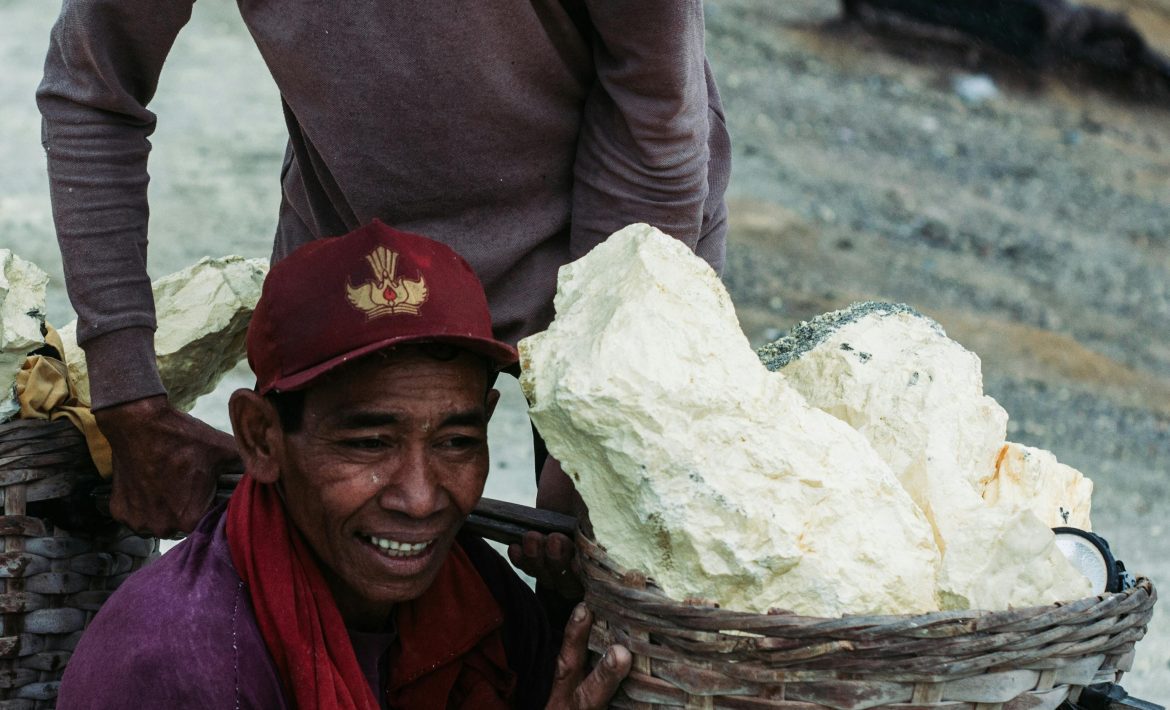
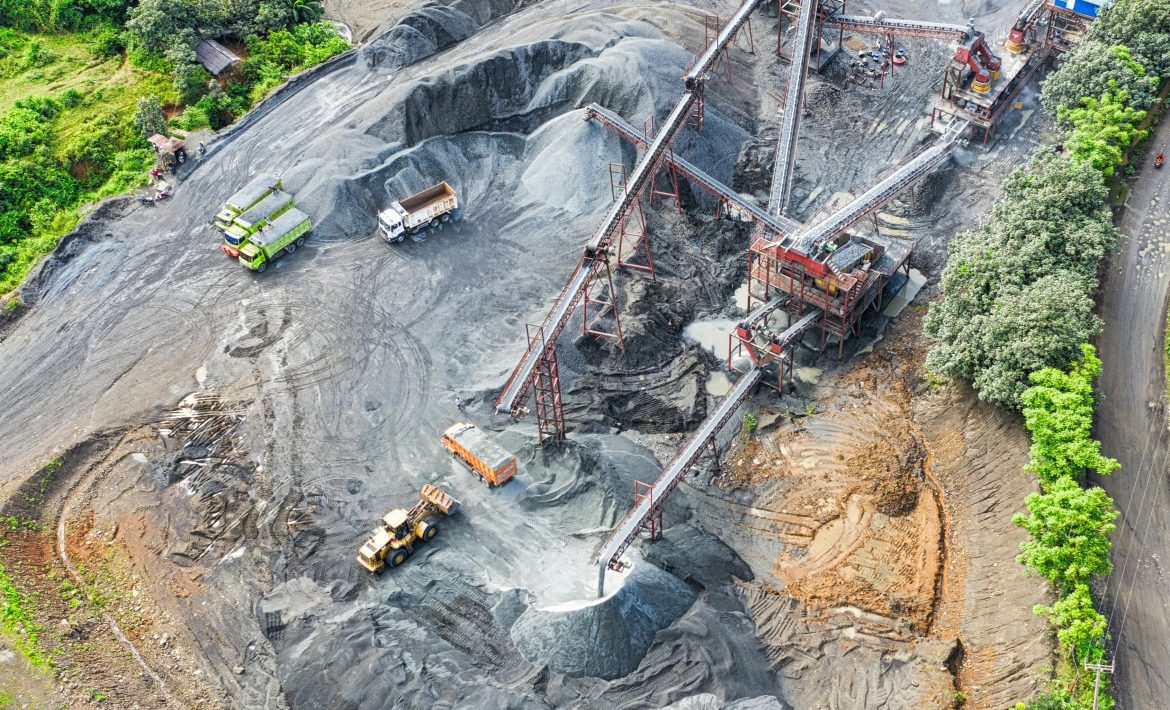
Currently the world’s largest nickel producer, Indonesia plans to expand mining further to meet the demand for clean energy technologies Nickel extraction has negative environmental and social impacts, resulting in deforestation, water pollution, biodiversity loss, illness, and other concerns The national ambitions of critical material production, overlooking its costs, reveal a gap between industrial goals and the material reality of Indonesia

Indonesian Nickel: What Is Its Role In The Just Transition?

Indonesia's nickel industry is made possible by foreign investment, with extraction fueling global clean tech supply chains, while local communities bear the environmental and social consequences Fair trade advocates in the Global North imagine a technology transfer and ethical downstreaming investment, but essentially a systemic shift in transportation models and a reduction of mineral consumption is necessary for climate action For long term resilience in terms of both the environment and global trade, Indonesia has the opportunity to invest in public welfare, green education for workers, and economic diversification beyond nickel

Decarbonising Global Shipping: Is The IMO Net-Zero Framework Enough?

After more than a decade of talks, the IMO has agreed on the world’s first legally binding Net-Zero Framework for shipping which introduces a global fuel standard and a pricing mechanism for greenhouse gas emissions. The framework marks progress but it still falls short in ambition for many small island states and environmental groups, warning that the measures may not be enough to meet global climate goals. Despite criticism, the agreement marks a meaningful step towards a cleaner maritime future and can be considered a rare example of multilateral climate cooperation.

UNOC 2025: Where Does International Cooperation For Oceans Stand?

The 2025 UN Ocean Conference is critical for international ocean cooperation, bringing together global stakeholders to address the ocean polycrisis through the theme: "Accelerating action and mobilizing all actors to conserve and sustainably use the ocean." Building upon previous conferences in 2017 and 2022, UNOC 2025 occurs at a pivotal moment following the adoption of landmark agreements like the High Seas Treaty and the Kunming-Montreal biodiversity framework, while confronting urgent challenges including pollution, overfishing and marine biodiversity degradation. The conference aims to produce the "Nice Ocean Action Plan" and a political declaration; these could establish foundations for post-2030 ocean governance, serving as a crucial test of multilateral cooperation in addressing unprecedented threats to our blue planet with only five years remaining to achieve SDG 14.

Coral Bleaching: How To Respond To The Ongoing Emergency?

Coral reefs are facing the worst global bleaching event on record, with over 80% of reef areas affected between 2023 and 2025, threatening biodiversity and the livelihoods of over a billion people. The main causes of coral bleaching include rising ocean temperatures, ocean acidification, and local stressors like overfishing and pollution, leading to the loss of half of the world’s corals since 1950. A coordinated global response is essential, involving emissions reduction, local conservation, scientific restoration, effective monitoring, policy reform, and legal action to protect and restore reef ecosystems.

El Niño Southern Oscillation (ENSO): What Is Its Role In Climate Change

ENSO is a pattern of climate variability that observes sea surface temperature and atmospheric consisting of El Niño (warm) and La Niña (cold) phasesENSO is observed over the tropical Pacific Ocean but affects the weather across the entire globeClimate change is likely to increase ENSO which could cause more extreme weather events

What Does the EU’s First BTR Say About Its Climate Action?

The EU’s first biennial transparency report shows an emission reduction of 31.8% relative to 1990.The EU is currently not on track to meet its Nationally Determined Contribution (NDC) target, although the impact of recently adopted policies has yet to be determined.The EU doubled its contribution to climate finance between 2014 and 202, but concerns about its reporting methodology could have potentially led to overestimations.

BTRs: The Link Between Climate Goals And Accountability

Biennial Transparency Reports (BTRs) are an essential tool to enhance transparency and trust between Parties to the UN Framework Convention on Climate Change (UNFCCC). They are submitted every two years, with the first ones having been submitted at the end of 2024.BTRs have four main components: greenhouse gas inventory, information to track progress, adaptation and support.BTRs are subject to expert reviews and discussions amo

What’s In An NBSAP?

NBSAPs stand for National Biodiversity Strategies and Action Plans; they are the mechanism for implementing the Kunming-Montreal Global Biodiversity Framework at the national level. Creating an ambitious NBSAP involves a multi-stakeholder process that engages actors such as government and civil society.Most countries missed the COP16 deadline to submit their updated NBSAP, with commonly cited reasons including a lack of capacity and national elections, and some decided to update their national targets instead.