Between Migration and Resilience: Kiribati’s Strategic Dilemma

Kiribati, a low-lying island nation in the Pacific, is at risk of being submerged by 2050 due to rapidly rising sea levels. In response, the country has pursued relocation plans such as migration policies and the purchase of land in Fiji. While former President Anote Tong advocated for relocation, current President Taneti Maamau has shifted focus toward an ambitious adaptation plan aimed at preserving its territory.

Categories Climate Justice

Food@COP

Food@COP is a youth collective aiming to ensure that the catering at COP events is environmentally friendly and supports the UNFCCC’s own aims. Since its fruition, Food@COP has grown into a coalition of over 200 organisations, individuals, institutions, and networks.Food@COP aims to organise more virtual dialogues with more voices from within our food systems; from farmers, Indigenous peoples, and frontline communities impacted by animal agriculture to businesses and research institutions in the field.

The Pathways To A Low-Carbon Future: Technology

This is the second instalment of our investigation into the possibilities for a low-carbon future, where Vincent Diringer focuses on technology. The biggest fallacy is as follows: there is a need for continuous power generation, and the intermittency of renewables would make it impossible for it to be a viable option. The solution needed isn’t one-size-fits-all, and the sheer amount of projects being undertaken are certain to help find the best available option for any sector, issue, or entity.

The Center of Climate Innovation and Sustainability: Fostering Climate Action in Peru

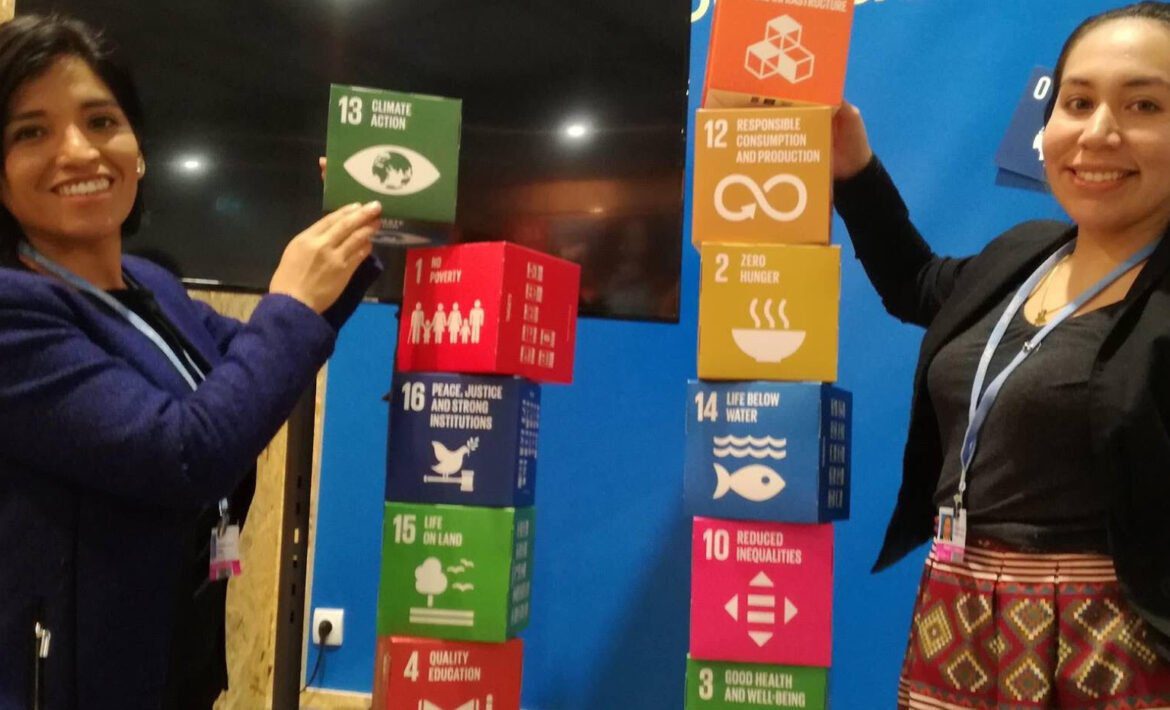
This Peruvian Climate Project was founded by environmental engineers in 2018. CICS offers the local communities innovative solutions for climate change adaptation and mitigation, while respecting traditions and the cultural heritage of the communities. They have also recently launched Habla Clima, a platform for dialogue about climate change and sustainability.

The Social Discount Rate

The Social Discount Rate (SDR) represents the value we place on the welfare of future generations and consequently the cost that society today should bear for future generations - a low SDR places a similar value on future generations’ welfare as on current ones, a high SDR does the opposite. A high SDR used in policymaking results in much less money being spent on climate action today.  An example of different discount rates being used in climate models can be seen in the Stern vs Nordhaus debate, whereas Nordhaus used a high and Stern a low discount rate. 

Categories Economic Concepts