
What is a Steady-State Economy?
A steady-state economy entails a stable population and per capita consumption that do not exceed the carrying capacity of ecosystems.
Categories
Economic Concepts

A steady-state economy entails a stable population and per capita consumption that do not exceed the carrying capacity of ecosystems.

This article explains the suggested time frames at COP26 for countries for submitting and enforcing their Nationally Determined Commitments in regards to climate policy.

The World’s Youth for Climate Justice (WYCJ) is a campaign founded by the Pacific Island Students Fighting Climate Change. They aims to get human rights formally recognized in climate policy and international law. In this article, Helen, a member of WYCJ, discusses her experience working within the campaign.
The CBDR-RC Principle recognises that countries have different duties and abilities to address the negative impacts of climate change, but all countries have an obligation to address climate change.
The UNFCCC aims to mitigate the wide-ranging issues caused by the climate crisis and unite global governments to find workable solutions.
Stefan introduces his master’s in Industrial Ecology, which is jointly hosted by Leiden University and Delft University of Technology - He describes the interdisciplinary nature of the course and the opportunities for industry experience. He briefly discusses student life in the Netherlands

This article introduces the definition of food waste, and some statistics about the phenomenon.
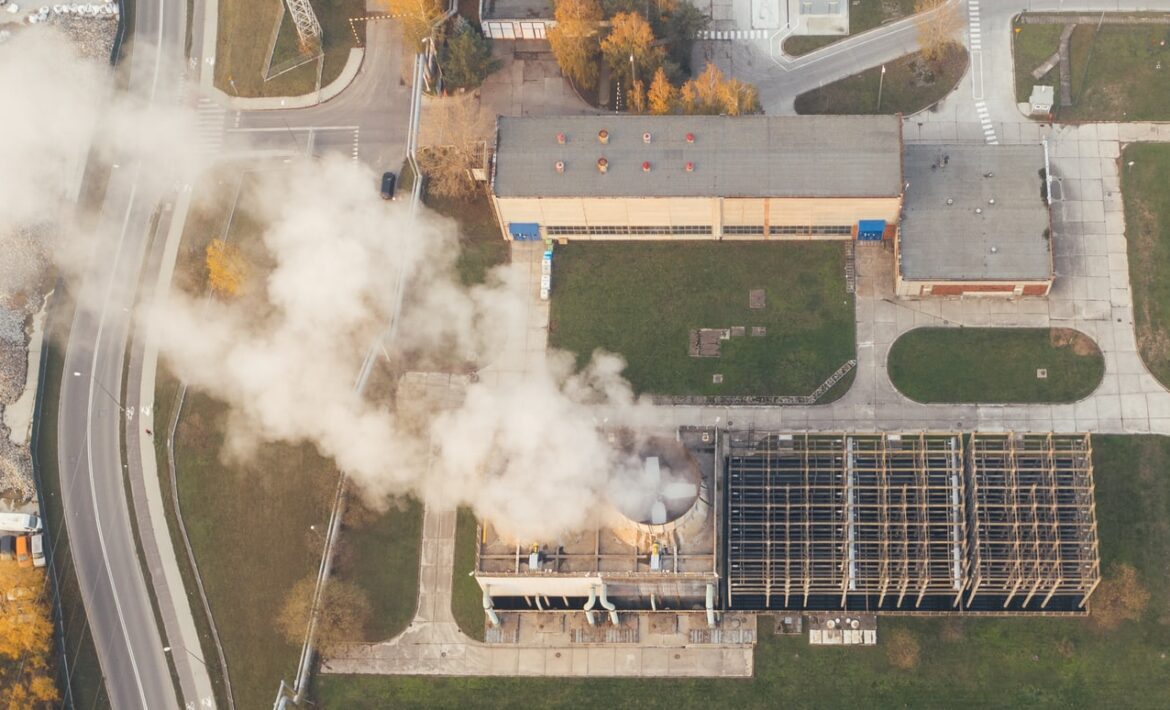
In April 4th, 2018, Dutch NGO Milieudefensie started a lawsuit against Shell. On February 12th, 2019, six other Dutch NGO’s joined Milieudefensie as plaintiffs (those who bring a case to court) [1]. On the other side of the court, there was Shell. Shell is listed as 7th in the top 20 companies that contributed to global warming with historical emissions (1965 - 2017), almost four times higher than the Netherlands; of these emissions, 90% originate from their products, and 10% from the extraction and transport of the fossil fuels. The court ruled that Shell is obliged to reduce the CO2 emissions of the Shell group’s activities by net 45% at end 2030, relative to 2019,
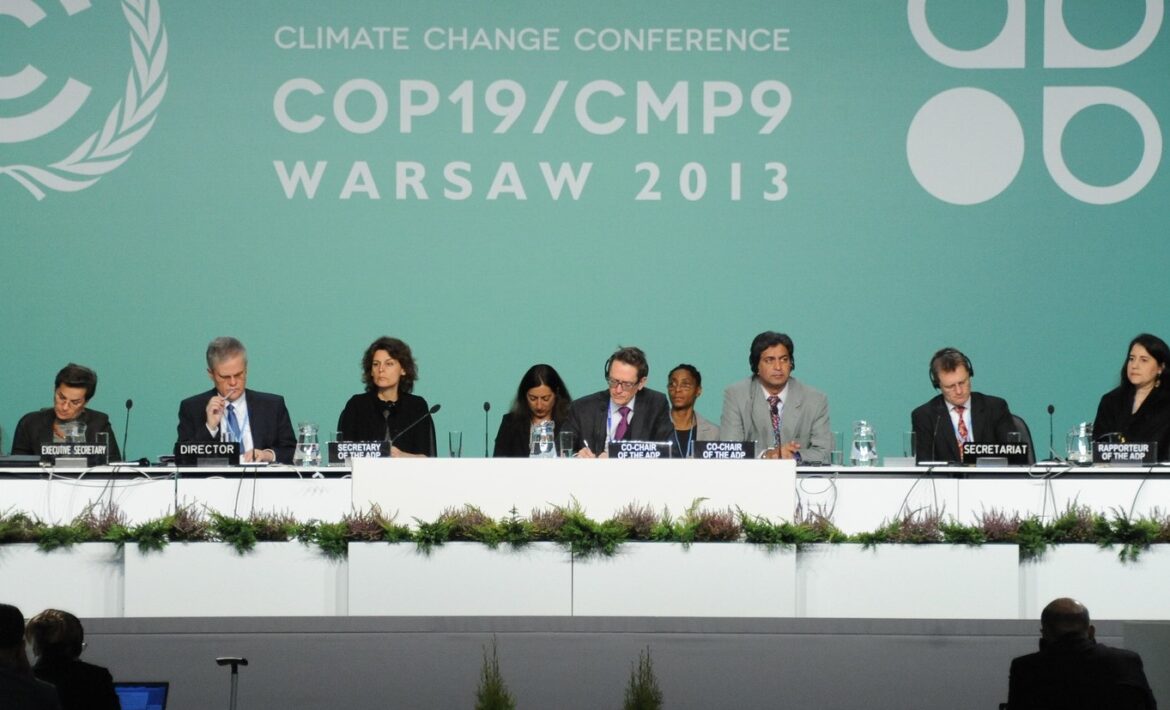
The Warsaw International Mechanism for Loss and Damage associated with Climate Change Impacts (WIM) sets out to address the devastating effects the climate crisis is having on vulnerable developing nations.
1 year full-time (or 2 year part-time) MSc at Cardiff University, aimed at those wanting professional accreditation, a varied course, and opportunities to choose what you study. Addresses 3 key dimensions to ensure knowledge to contribute to future policy development; principles and process, resource sector studies, and research training. Study in a vibrant, fun, affordable city.