From Colonial Extractivism to Neo-Extractivism: A Modern Resource Curse?

Economic instability and social inequality in resource-rich nations, often referred to as the "resource curse," are rooted in the extractivist economic model. Neo-extractivism, while aiming to allocate resource revenues to social welfare, often perpetuates detrimental cycles of exploitation. Despite reformist intentions, neo-extractivism can lead to severe social and environmental issues as seen in countries like Honduras and Ecuador.

Government-Indigenous Joint Management of Environmental Sites: 50 Years Cobourg Peninsula

Australia was the first country to designate a Wetland of International Importance under the Convention on Wetlands of International Importance, otherwise known as the Ramsar Convention. Cobourg Peninsula is one of 67 Australian Ramsar wetlands, covering 8.3 million hectares; globally there are over 2,500 Ramsar sites today, covering more than 250 million hectares. Cobourg Peninsula is jointly managed by the Garig and Iwaidja Arrarrkbi peoples through the Garig Gunak Barlu National Park and the Northern Territory Government, namely the Parks and Wildlife Commission.

Climate Change And Extreme Events: Floods

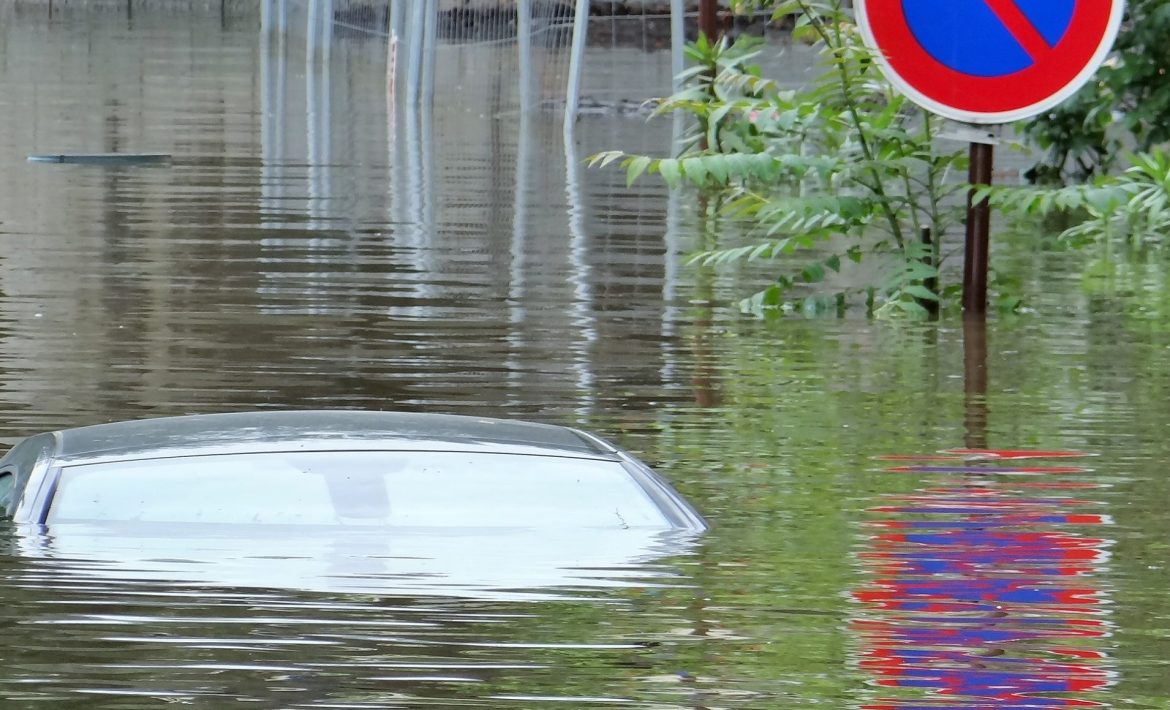
Floods are causing widespread economic and non-economic Loss and Damage all around the globe with impacts ranging from loss of lives and damage of infrastructure to health and food security related concerns Floods are hydro-metorological hazards that occur caused due to a variety of both hydrological and anthropogenic factors Challenges such as lack of data and complex nature of interplay between hydrological and anthropogenic factors make it difficult for scientists to attribute floods to climate change

Indonesia’s New Capital City: An Environmental Justice Perspective

The relocation of Indonesia's capital from Jakarta to Nusantara is framed as a solution to the environmental crisis facing the sinking city, yet this narrative overlooks deeper issues of environmental justice. The relocation raises significant concerns, including land degradation, displacement of Indigenous communities, social inequality, and overlooked environmental issues. Without a more inclusive and sustainable approach, the relocation could exacerbate inequalities in both the new and old capitals.

Virtual Island Summit 2024: Summary

The 2024 Virtual Island Summit highlighted the challenges faced and sustainable solutions being developed by island communities across multiple sectors and industries. COP29 CEO Elnur Soltanov announced the Presidency’s commitment to the NCQG and the finalization of Article 6 of the Paris Agreement, setting the stage for climate finance negotiations in Baku. St. Kitts and Nevis was revealed as the next location for the Global Sustainable Island Summit (GSIS). The 2025 event will focus on the nexus between water sustainability & energy, agricultural resilience & climate adaptation, climate-health interactions and geothermal energy.

Fighting On Two Fronts: The Twin Climate And Biodiversity Crises

The climate crisis and biodiversity crisis are deeply interconnected, and both need to be solved. There has been limited focus on jointly tackling climate change and biodiversity loss in international policy. As a year with 3 COPs, 2024 provides a unique opportunity to implement policy to solve both the climate and biodiversity crises and reassess how the international system tackles these crises.

Tripling Renewables By 2030: Opportunities And Challenges

Tripling renewable energy capacity by 2030 is an ambitious yet essential step toward mitigating the impacts of climate change. The shift to renewable energy can increase energy security by reducing the dependence on fossil fuel. This article looks at the potential dividends from such an energy transition, including opportunities and challenges to achieving the 2030 target.

SB60: Personal Reflections from Bonn 2024

At ClimaTalk we’ve been reporting live from the UNFCCC climate conferences since COP26. The Bonn Climate Change Conference 2024 (SB60) was our fifth UNFCCC conference. With this booklet, we’re happy to be sharing some personal experiences of our ClimaTalk team on the ground.Chanel, Christy, Dan and Luisa speak about their experience getting familiar with the conference space, policy tracking, youth engagement, and offer advice to young people wanting to attend and get involved in the future.

Categories COP29 Tags //