Koch Industries And Their War On The Administrative State: A Defeat For The Climate

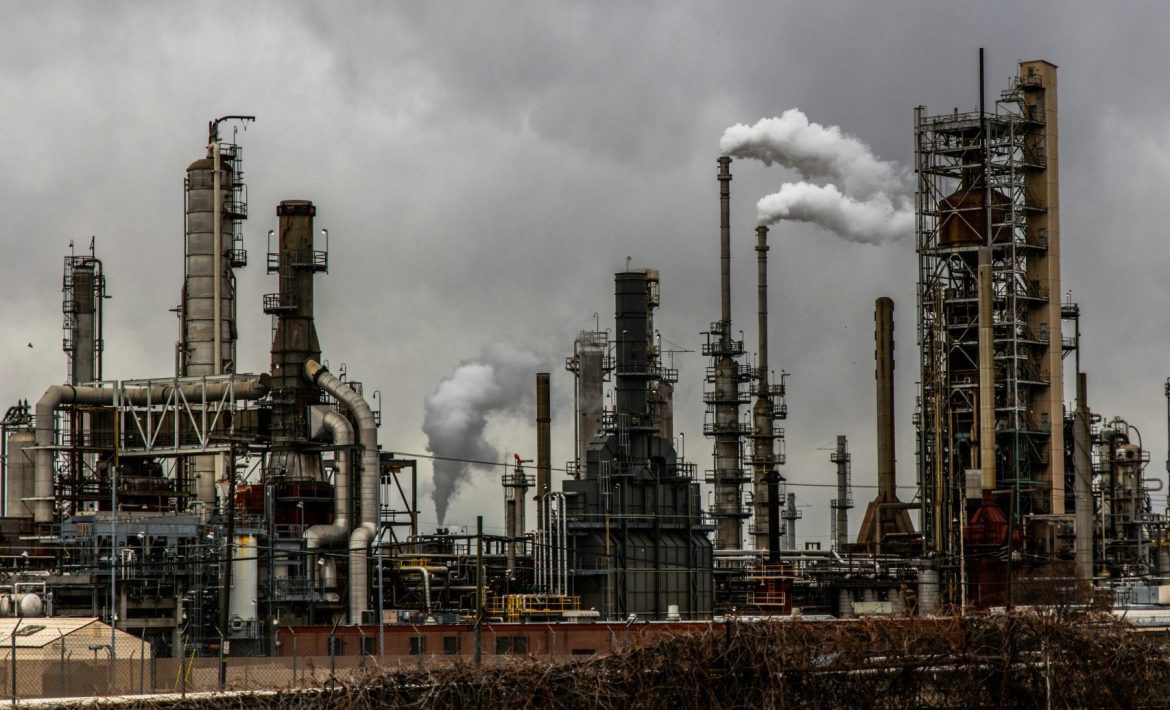
Overturning the Chevron doctrine is a power grab by the courts, driven by conservatives and industrialists. A group of chemical and energy companies, Koch Industries, is taking advantage of the conservative Supreme Court majority to advance their goal of undermining environmental regulation and worker protection through a concerted attack on federal agencies. Overturning the Chevron doctrine poses a signficant risk to global climate action and broader human rights in the United States.

What Is The Yield Gap?

The yield gap highlights the unrealised yield potential that could be achieved with improved crop management and production practices, such as efficient water management, balanced nutrient use, crop rotation and precision agriculture. by Prince Asiedu Introduction In an era marked by the pressing challenges of climate change, a rapidly growing global population, and escalating food...

How Should Climate Mobility Be Addressed In The Global Goal On Adaptation?

Elements of Human Mobility due to Climate Change (HMCC), such as migration and planned relocation, are increasingly being recognised as effective strategies for adaptation. Integration of HMCC into the Global Goal on Adaptation (GGA) will lead to a better understanding of this issue by developing quantifiable and measurable targets and indicators. HMCC can be integrated into GGA by including it as part of the iterative adaptation cycle, inviting The Taskforce on Displacement in consultations, understanding the inclusion of HMCC in existing NAPs and by broadening the scope of Adaptation Finance.

Small Island Developing States Win: GHGs Declared Ocean Pollutants

The legal frameworks for climate-related litigation are strengthened by the ITLOS advisory opinion, which classifies greenhouse gases as marine pollutants. This decision enables Small Island Developing States (SIDS) to advocate for more stringent climate action and to access climate financing. The ruling underscores the pressing necessity for global collaboration to mitigate the effects of climate change on marine ecosystems, despite opposition from several State Parties.

Are Commitment Devices A Solution To Climate Myopia?

Commitment devices offer a potential solution to the gap between climate pledges and action by binding policymakers to long-term goals. Real-world examples, like renewable energy mandates and carbon pricing mechanisms, demonstrate the efficacy of commitment devices in driving sustainable change. However, challenges such as loss of flexibility and democratic deficits must be addressed to ensure the success of these mechanisms in tackling the climate crisis.

Criminalising Climate Activism: Recent Trends

Governments across the world are using harsh tactics like arbitrary arrests, excessive force, surveillance, and criminalization of protests to silence climate activists and environmental defenders. In democratic nations like France, Germany, the U.S. and India, climate protests are increasingly being met with aggressive police crackdowns, hefty fines, and the portrayal of activists as threats to public order and economic interests. Even in international climate conferences, climate activism is being met with negative responses, signaling concern to the global crackdown of eco-activism.