Agroforestry For Biodiversity And Climate Resilience

In addition to food production, modern agriculture must provide ecosystem services such as water quality, biodiversity, carbon sequestration, and nutrient cycling. Agroforestry provides ecosystem services by managing trees together with annual crops or pasture lands. A paradigm shift toward agroforestry comes with opportunities for technology, diversification, and employment in agriculture.

Boreal Forests and the Climate Crisis (Part 3)

There has been a historic lack of incentive to protect the boreal forests, and as such little attention has been given to their preservation. Canadian advocates have called to halt clear-cutting of primary forests, and give the indigenous communities the power to manage the forests directly. The potential for national or even international regulation exists, but only if the importance of the boreal forests is recognised and incentives altered accordingly.

Our Children’s Trust: Protecting Youth’s Right To A Safe Climate

Our Children’s Trust is a US non-profit law firm that helps youth to fight for their right to a safe climate.They often use the Public Trust Doctrine which states that governments need to manage natural resources in the public’s best interest. They achieved two major victories in Florida and Massassachussetts.

Oceans And Their Threats

Marine ecosystems and habitats are at the precipice of severe loss of life as we know it. Human intervention has enabled irreversible damage, which comes back to our standards of living. Indigenous communities are at the forefront of the consequences, and need safeguarding now more than ever.

Climate Change And Extreme Weather Events: Introduction

There are no natural disasters, only natural hazards whose probability is being altered by the climate crisis. Extreme weather events together with the vulnerability and exposure of a population determine the impact of a disaster. Attribution studies provide a statement about how human greenhouse gas emissions have altered the intensity and frequency of an extreme event.

The Other Environmental Front: What To Expect From The Kunming-Montreal Global Biodiversity Framework

The Kunming-Montreal Global Biodiversity Framework is the first set of biodiversity targets in over a decade, setting ambitious goals for the 2020s. Particular milestones are the commitment to protecting 30% of all land areas and ocean territories as well as focusing on consulting, valuing, and protecting indigenous stewards. Criticism includes its non-binding legal nature, previous failures to commit, and a Western approach to conservation which might threaten indigenous autonomy.

The Defenders Of Atlanta

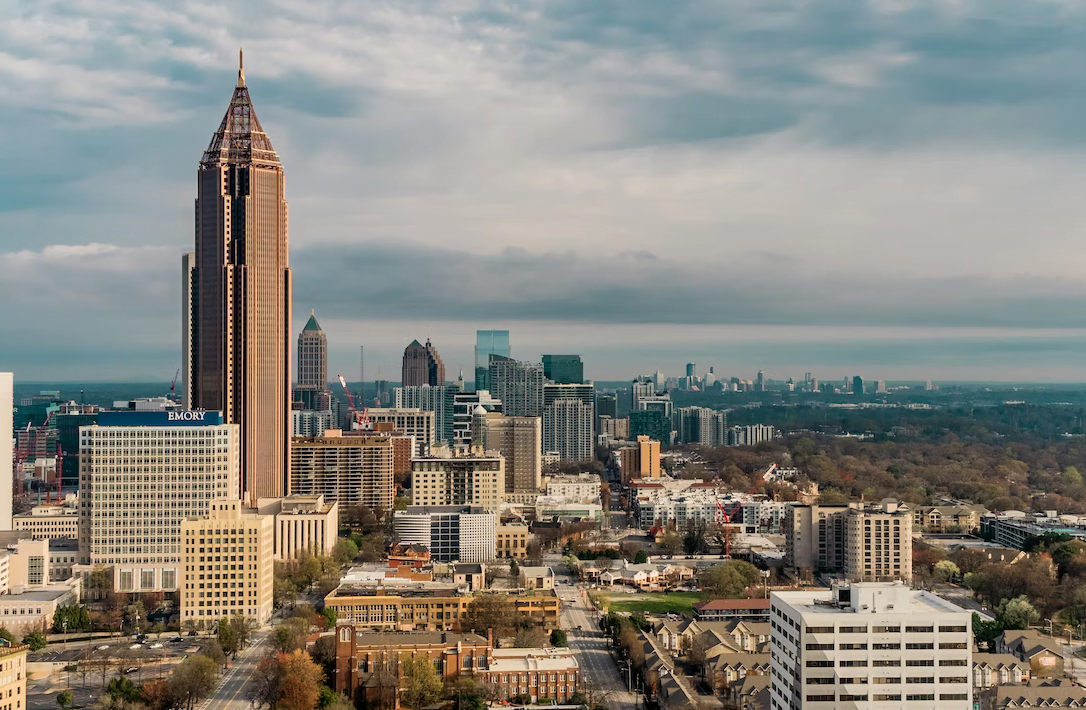
In 2021, the Atlanta Council approved plans for a new police and firefighter training in a forested area in Atlanta dominated by people of colour with low incomes.These plans have sparked numerous protests from neighbourhoods and environmental activists due to the negative impacts the facility would have.Authorities have responded excessively, culminating in the death of an environmental activist, activists being branded as domestic terrorists and the Georgia governor declaring a state of emergency.

What Is The EACOP?

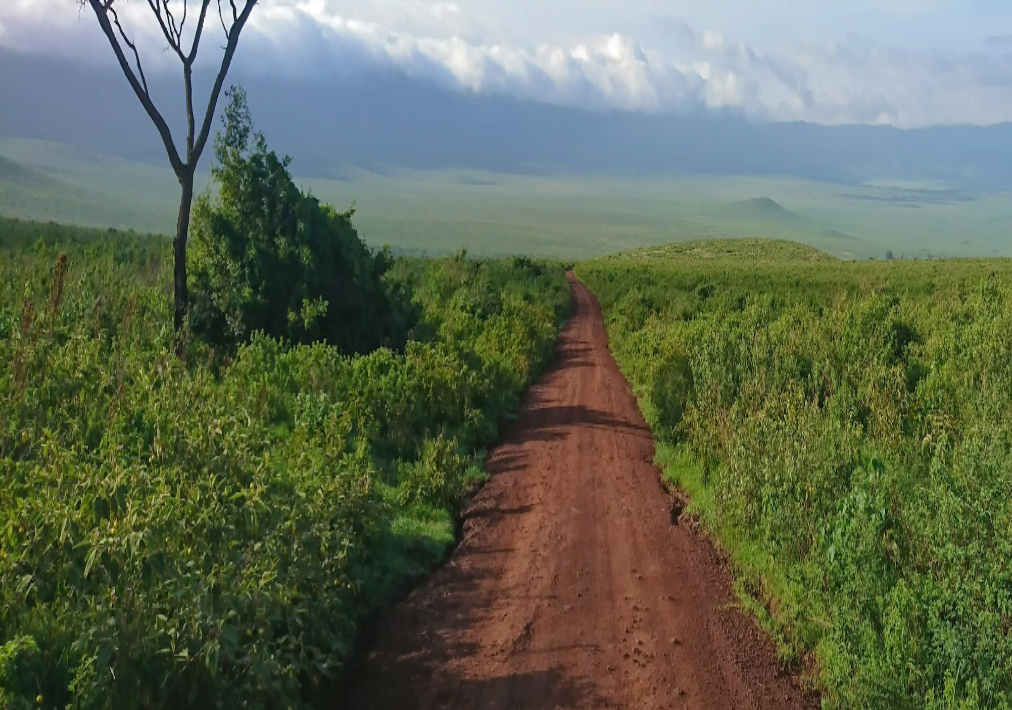
The East African Crude Oil Pipeline (EACOP) is a 1,443 km heated and buried pipeline that will export oil from Hoima in Uganda to Tanga port in Tanzania. The EACOP will cost an estimated $3.5 billion to construct The construction of the pipeline has been controversial owing to environmental and social impacts, as well as concerns about the negative effects of fossil fuel use.

The Importance Of COP15 And The 30×30 Target

CBD COP15 was highly anticipated by those within the conservation sector and the emerging nature-based solutions industry. On the agenda were several discussions on pollinator protection, agricultural practices, forestry, and marine spaces — but the biggest item was an ambitious plan to protect 30% of the world’s natural areas by 2030.