Gender Inequality and Climate Mitigation

Gender inequality heightens the impact of climate change on women, particularly in developing regions with significant socio-economic vulnerabilities. Women's critical roles in climate mitigation, such as sustainable agriculture and resource management, are often undervalued due to systemic gender inequalities. Incorporating gender perspectives into climate policies is crucial for enhancing mitigation effectiveness and achieving equitable outcomes.

UNDP’s Peoples’ Climate Vote: How Does Climate Anxiety Affect Us?

The UNDP's Peoples' Climate Vote 2024 survey reveals growing global concern about climate change and a strong demand for more ambitious climate action. Unlike the 2021 survey, the 2024 results show increased climate anxiety across all age groups, with a significant majority advocating for a rapid transition away from fossil fuels and better protection from extreme weather. This widespread concern underscores the urgent need for policymakers to balance mitigation efforts with adaptation strategies to address the climate crisis effectively.

What Is Desertification?

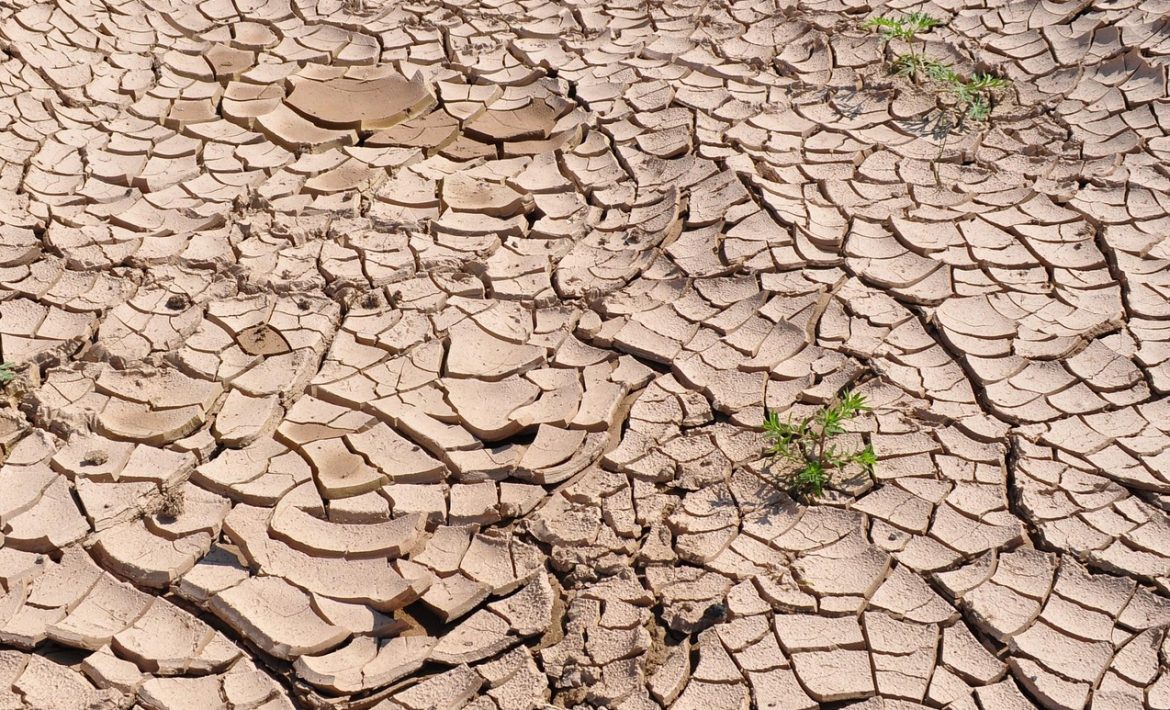
Desertification is land degradation in arid and semi-arid regions, a change caused by human activities and climatic variations. Desertification reduces water availability, agricultural productivity, biodiversity, and introduces social issues such as poverty and migration. Combating desertification requires sustainable land management practices, reforestation efforts, and international cooperation to restore degraded lands and support affected communities, such as the semi-arid Sahel region in Africa.

Cities and the Climate Crisis

Cities are major sources of emissions from both direct and indirect fossil fuel usage across sectors and are themselves vulnerable to the effects of climate change. There are many impacts of climate change on cities such as on health, infrastructure and energy. Some groups of society and the Global South overall are more vulnerable to the effects of climate change.

What Is Urban Resilience?

Urban resilience is the ability of cities to survive, adapt, and thrive amid disruptions like natural disasters, climate change, economic and political crises. Climate resilience is a key component, as urban settings are particularly vulnerable to rising temperatures and other climate change effects. Measuring urban resilience requires a tailored, interdisciplinary approach, addressing evolving risks and local contexts.

What Is Large-Scale Agriculture?

Large Scale Agriculture (Big Ag) is a controversial topic without a formal definition, characterized by extensive land use, high mechanization, and intensive chemical inputs Proponents argue Big Ag is essential for global food security and innovation, while critics raise concerns about environmental impact, biodiversity loss, and ethical issues related to labor practices and rural communities. The debate centers on industrial vs. sustainable farming methods, with increasing calls for reform or dismantling of the current system due to environmental and social concerns, leading to various policy solutions being implemented globally.

What Are OECMs and How Do They Work?

Other Effective Conservation Methods (OECMs) are sites that effectively conserve biodiversity even if biodiversity conservation isn’t their primary purpose. They differ from protected areas which are established specifically for biodiversity conservation, whilst OECMs don’t require conservation as the main goal. OECMs have the potential to help achieve effective and equitable conservation, though concerns remain regarding their implementation.

Wildfires: Their Impact On Climate, Biodiversity And Society

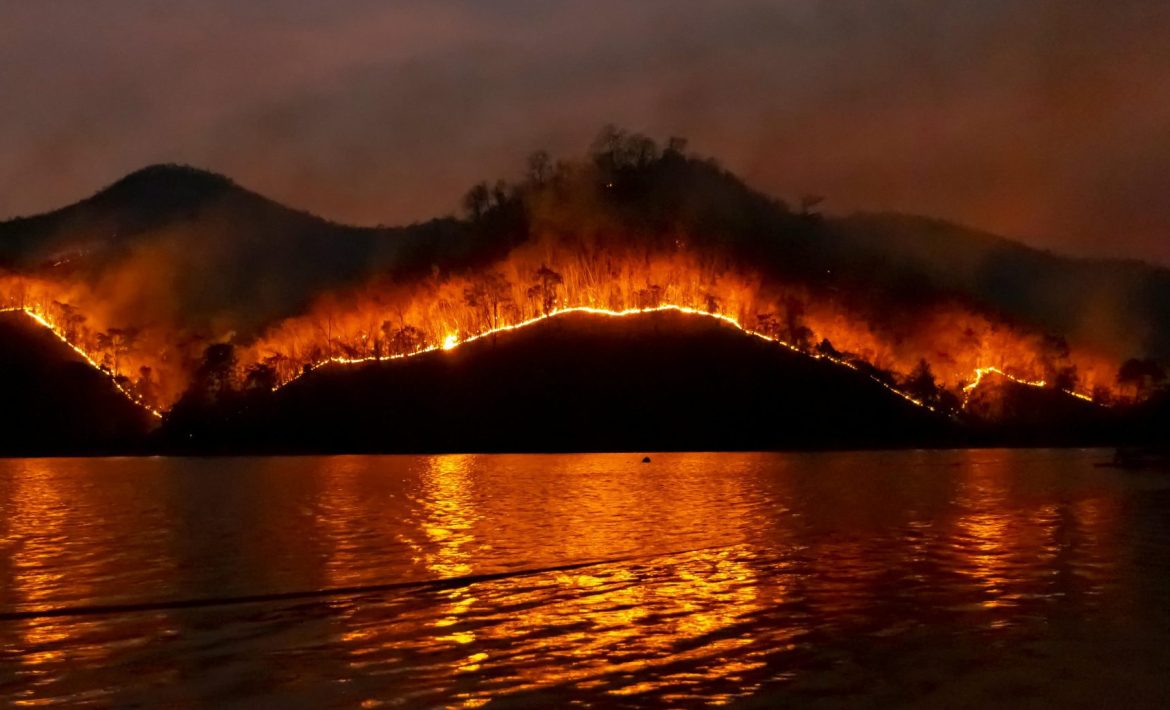
Wildfires are increasing in frequency and intensity due to rising global temperatures, posing a significant threat to climate, biodiversity, and society. Wildfires not only contribute to climate change but also disrupt ecosystems, leading to biodiversity loss and detrimental effects on human health and economies. Effective policy interventions are needed to manage wildfires, mitigate their causes, and reduce their impact on communities and ecosystems.

Nature-Based Solutions: An Introduction

Nature-based solutions (NbS) are an umbrella term that involves using nature to address societal problems as well as create benefits for biodiversity and climate action. NbS have gained traction in international policy in recent years as a form of climate action being mentioned in various COPs. There is potential for NbS to combat the biodiversity and climate crises, however, the site-specific nature of NbS, makes it difficult to generalise and compare with other alternatives.