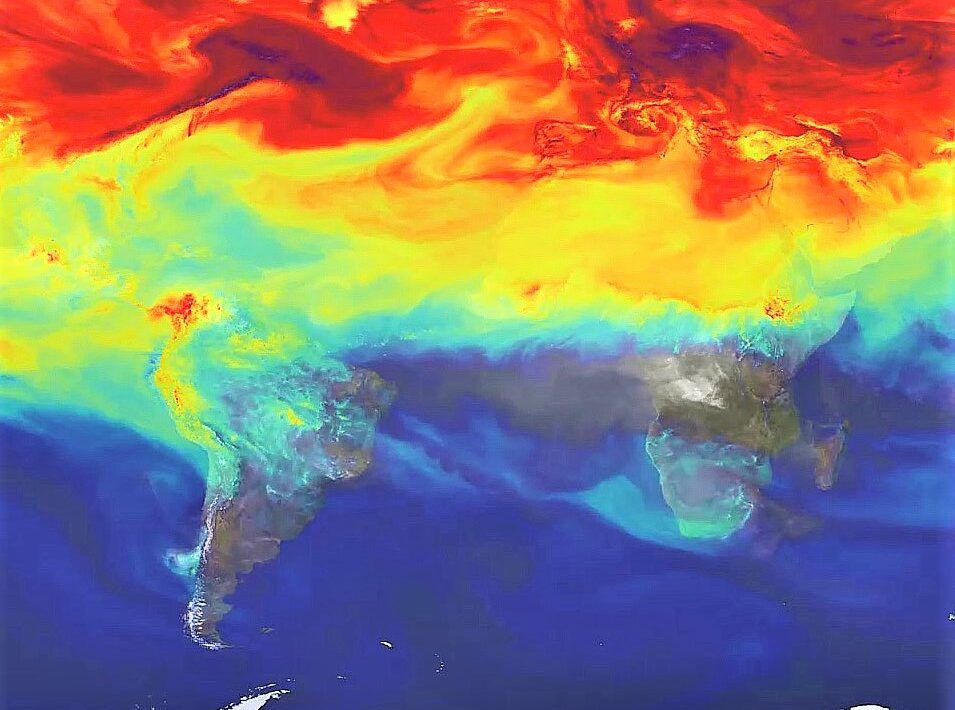
Weather vs. Climate
The term “weather” refers to current – and often very local – atmospheric conditions. In contrast, “climate” is the long-term average of all weather events at a given location over a certain period of time.
Level: Postgraduate, MSc Length: 24 months (120 credits) Location: Wageningen, The Netherlands
Modern-day agriculture is unsustainable, accounting for 25% of global greenhouse emissions and failing to adequately distribute food to meet the needs of the global population.
Moving from an extractive linear economy to a sustainable circular economy while minimising environmental degradation and avoiding future harm to the planet and vulnerable.
The Cambridge Food Hub is all about creating a better local food system and more robust connections between producers and retailers.
An economic concept describing the destructive incompatibility of shared resources and self-interest.
AI’s ability to “know what they don’t know” – to give an uncertainty to every prediction they make, is vital for future environmental predictions.
Evaluating an industry wide trend, where ICT and communications emissions are too high to ignore.
Cloud computing and training demands data and therefore energy.
A youth-led initiative aiming to better equip marginalized communities in combating, monitoring, and preventing climate change-related illnesses, particularly Neglected Tropical Diseases.