Remote Working: Better for the Environment? – Part 3

Working from home can reduce an individual’s overall greenhouse gas emissions and may carry other advantages such as improved work-life balance; However, in some cases, remote working can lead to feelings of isolation and the development of physical and mental health issues and so employees must be supported to create healthy workspace set-ups and stay connected with colleagues; Hybrid working policies may offer the advantages of increased flexibility, whilst alleviating feelings of isolation that may arise from working at home full-time, and can still result in a reduction in emissions.

Categories Energy

Understanding EU Policy-making

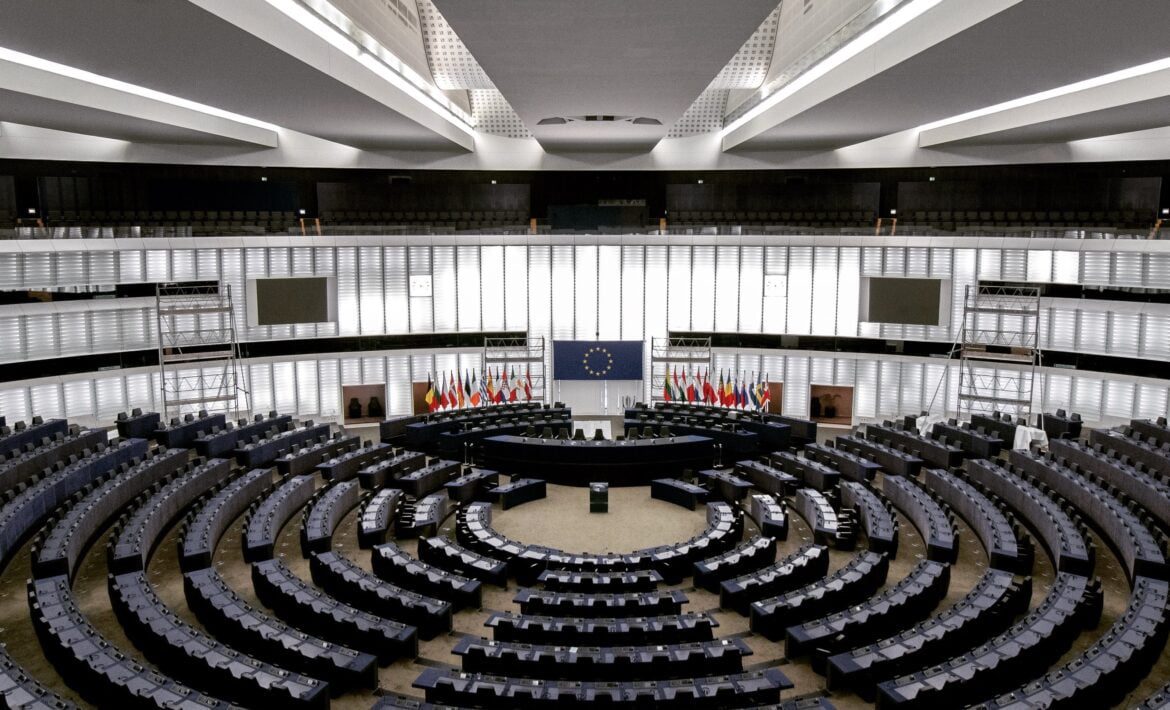
Out of all international organisations, the EU is considered to have some of the most extensive climate protection laws, and it is regarded as a regional and global leader in environmental protection. Nonetheless, the process of EU decision-making can be notoriously overwhelming for citizens to engage with the process, or to appreciate it. It takes place at multiple levels, and involves several bodies and representatives from twenty-seven countries. In short, the EU is often regarded as complex precisely because of its inclusivity, its long history of evolving bureaucracy and flexibility, as well as its commitment to reach agreement among all stakeholders. To properly understand how policy-making works, it is necessary to first understand the role which is played by each of the EU institutions.

Categories EU - Policies

Understanding the EU Forest Policy

Adopted in July 2021, the EU forest strategy is the European Union’s plan to improve the quantity and quality of forests in its Member States. It is part of the “Fit for 55” package, the EU’s overall plan to reduce emissions by 55% by 2030 compared to 1990 levels. The forest strategy aims to strengthen forest protection, restore biodiversity and carbon pits, and increase the resilience of natural habitats. Not only that, but it is also an ambitious plan to create jobs and improve health conditions, although it does have drawbacks.

Categories EU - Policies

Remote Working: Better for the Environment? – Part 2

This is the second in a three-part series on whether remote working is better for the environment than office-based working. The first article in the series discussed how remote working could reduce emissions from the daily commute. In this article, we weigh up this reduction in transport-related emissions, and any possible reduction in office-related emissions, with the increase in domestic-related emissions from heating and electricity that occurs as a result of working from home. The studies indicate that, on average, reduced emissions from commuting will outweigh increased domestic-related emissions, making remote working an environmentally friendly step to take [1,2]. However, in certain limited scenarios, travelling to work via less carbon-intensive modes of transport may result in lower emissions overall than working from home.

Categories Energy