https://unsplash.com/photos/ZVprbBmT8QA

Introduction To Ecological Economics

Ecological economics focuses on the need for human economic activity to not extend beyond our ecological ceiling whilst providing prosperity for all. It differs from neoclassical (more traditional) forms of economics in that there is not an emphasis on growth but rather ensuring planetary and societal welfare through redistributive and regenerative systems. Some current day examples of economic frameworks that use ecological economics are degrowth (Hickel & Kallis) and Doughnut Economics (Kate Raworth).

Climate Litigation: The Growing Importance Of Legal Battles Within The Climate Movement

Climate litigation has surged in recent years as activists seek strategic legal victories to influence government and corporate climate policies. These legal arguments tend to be grounded in human rights, emphasising the positive obligations on states to respect the lives, health and futures of their citizens. However, claimants face difficulties in proving causation and satisfying procedural standing barriers; it is hoped that improvements in attribution science will ease these issues in the future.

Categories Law & Justice

What Is The Farm To Fork Strategy?

The Farm to Fork strategy is a milestone EU policy framework that promotes the sustainable and just transition of food systems in the continent. The Farm to Fork strategy advocates environmentally sound practices, including chemical-free and organic agriculture, with neutral or positive environmental effects. Sceptics of the Farm to Fork strategy point to its conceptually ambiguity, lack of legal action, policy incoherence with EU agricultural policy, and implementation challenges.

Categories Food & Agriculture

Aviation: EU ETS & CORSIA

Aviation emissions have increased significantly in the EU, despite intra-EEA flights being included in the EU Emissions Trading System (ETS) since 2012. The revision proposes several changes such as the end of free allocation and a stronger decline of the ETS cap. CORSIA is an international mechanism to address aviation emissions, but has several flaws that threaten to severely diminish its effectiveness.

What Is The Glasgow Climate Pact?

The most high-profile commitment of the Glasgow Climate Pact was the promise to ‘phasedown’ coal use - rather than to phase it out. However, the pact did mark the first time in the UN climate process that the Parties recognised the need to rapidly reduce coal The Glasgow Climate Pact promised progress on finance, adaptation, Article 6, and employed strong language supporting the scientific consensus on climate change. Loss and damage and nature and biodiversity received far fewer concrete commitments in the final draft.

What Is Aquaculture?

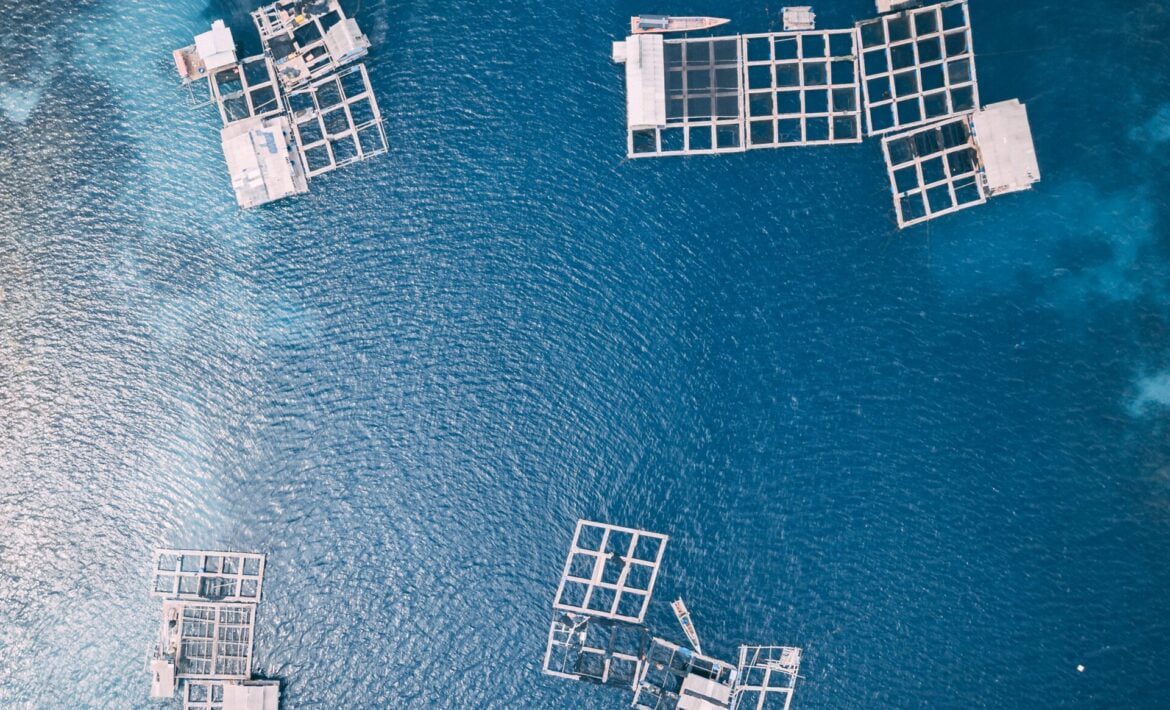
Aquaculture describes the controlled farming of aquatic organisms, and has become an important part of food production in the modern world. Modern aquaculture began as a result of declining wild fish stocks from overfishing and growing populations. The two main forms of aquaculture are freshwater and marine aquaculture; within these two forms, there are a number of different methods used for a wide variety of aquatic species.

Categories Food & Agriculture

The FuelEU Maritime Initiative

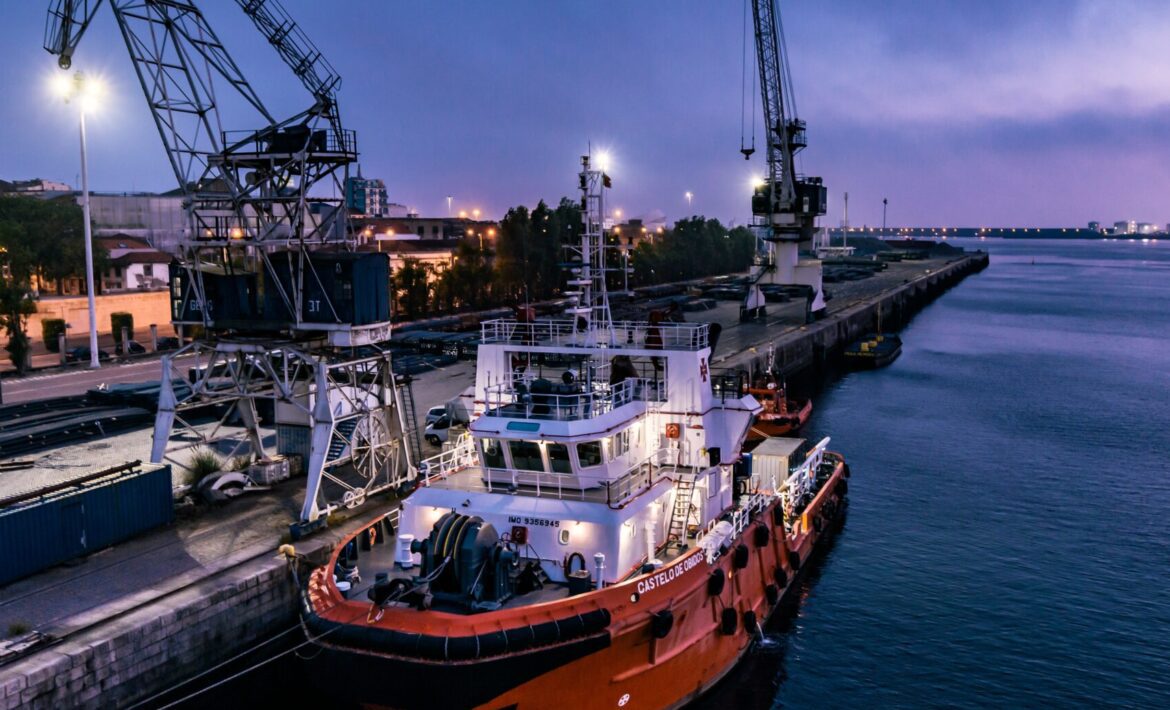
In July 2021, the European Commission presented the FuelEU maritime initiative within its Fit for 55 package measures aiming to address maritime transport emissions by addressing market barriers that hamper their use and uncertainty about which technical options are market-ready. Maritime transport is critical to the European Union’s (EU) economy but the EU estimates that maritime carbon emissions account for almost 4% of total EU emissions (and for 11% of EU transport emissions)Maritime stakeholders expressed concerns that the regulation puts responsibility on shipping companies (not on the fuel producers); that the efficiency standard is not defined at the fleet level; and that they did not want any obligation on the choice of fuel and technology.

Categories EU - Policies