

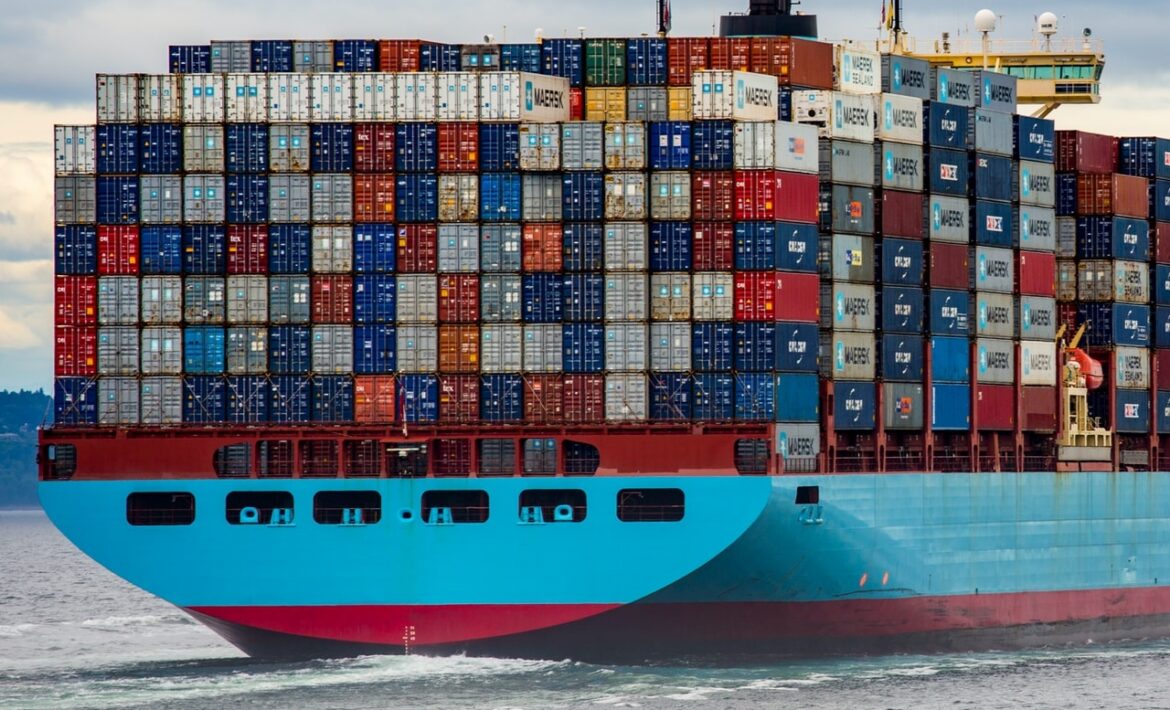
ETS: Expansion To Ships, Buildings And Transport
Expanding the EU-ETS to cover the sectors of building, maritime and road transport is essential to meet the EU’s enhanced climate ambitions. Phasing the sectors in progressively allows for adjustments. The regressive effects of carbon pricing, especially in road transport and buildings, require countermeasures to ensure social acceptability.
Categories
EU - Policies
Calculating The Risk Of Renewable Energy Investment
The diversity of investors in renewable energy has increased, opening up the pre-existing range of investment opportunities in renewables to greater scrutiny of risk and return. Renewable energy is not an asset class in itself but is a sub-category within several asset classes. Key risks which may need to be computed into the APT model are: price interaction with fossil fuel technologies, complexity of storing renewable-derived commodities, unknown future risks of renewable technologies, the capital-intensive nature of renewable “real estate”, the differing levels of commercial readiness of renewable technologies, regulatory volatility in the jurisdictions in which renewable energy projects are based.
Categories
Business & Finance

What Is The UK’s Net Zero Strategy?
The UK’s net zero strategy builds upon the Climate Change Act of 2008 and the 2020 Ten Point Action Plan The UK sets an indicative delivery pathway, aligned with carbon budget 6 (2033-2037), to achieve Net Zero by 2050 The strategy outlines how the UK intends to reach net-zero emissions across eight sectors of the economy.
Categories
Europe

The Cocoa Industry: Its Environmental Impacts
The cocoa industry negatively impacts the environment across the whole value chain. The industry’s environmental effects range from local-scale deforestation and water pollution to global-scale greenhouse gas emissions Solutions include investing in farming techniques, reducing diesel use, and boosting consumer demand for certified cocoa.
Categories
Food & Agriculture

Thawing Permafrosts & Epidemics: The Case of Russia’s Anthrax Epidemic
An anthrax outbreak raised the concern of ancient pathogens possibly reappearing as a result of very high temperatures and the thawing of the permafrost. Although global warming can definitely lead to the permafrost slowly unfreezing, this happens over very long periods of time and is linked to climate shifts rather than specific weather events, such as the high temperatures in 2016, which mostly affected the active layer on top of the permafrost, not the actual permafrost. There are multiple factors converging for the outbreak of anthrax, such as disrupted vaccination, overpopulation of reindeer, and the distribution of spores; not just the (supposed) thawing of the permafrost.
Categories
Climate Science
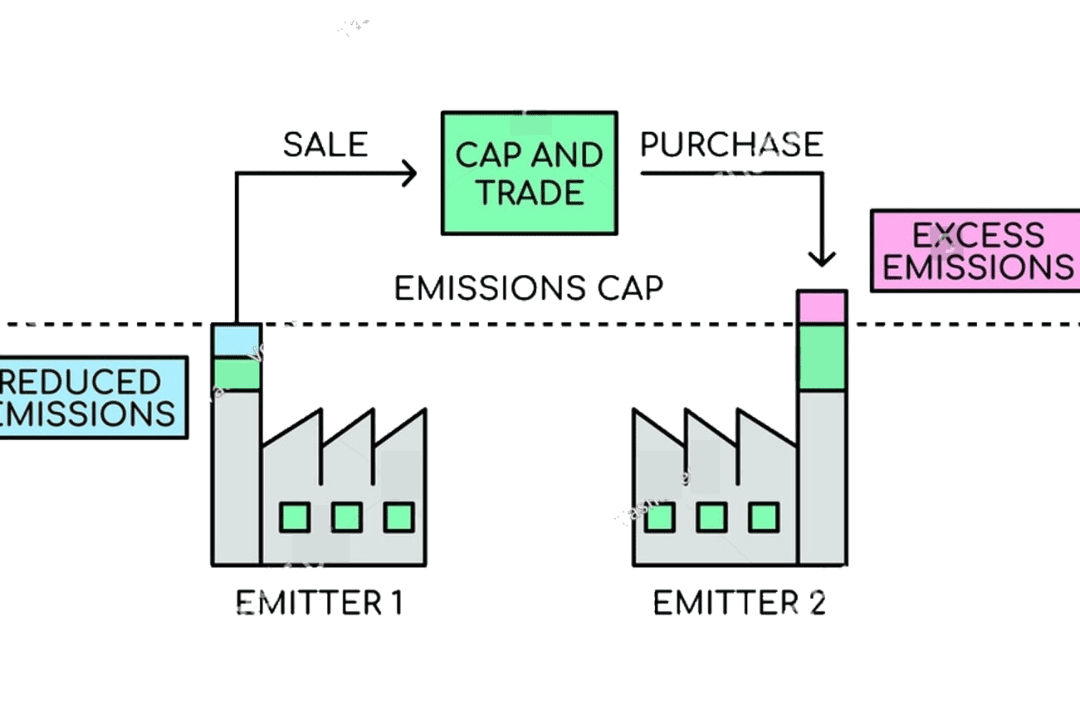
ETS: Emission Trading Systems Outside the EU
Emissions trading schemes (ETS) incentivize polluters to reduce CO2 emissions through carbon pricing. ETS in China, South- Korea, Switzerland, the UK and California tend to target energy-intensive industries and can cover up to 80% of all greenhouse gas emissions. Most ETS, excluding South Korea, make polluters pay for the majority of their emissions by obliging them to buy a permit (rights) to emit more CO2 than the baseline, thereby encouraging green investment.
Categories
EU - Policies/Uncategorized

The Decrease Of Workers’ Productivity: An Overlooked Cost Of Climate Change
A rise in temperature will lead to a decrease in labor productivity (more dehydration, chronic health diseases and even death) which will further leading to a decline in economic activity. A critical factor to curtail losses in work capacity will be the extent of application of preventive strategies (such as cooling technologies, hydration, and work rotation) in outdoor and indoor work environment. Policy reforms should include long-term and short-term measures to mitigate the impact of heat on workers’ productivity. Long-term measures like reducing greenhouse emissions and short-term measures like providing clean drinking water at the workplace, good air conditioning, shade cover, and utilizing green architects to capture natural air and light.

The Role Of Agriculture In Deforestation
Future food demands are projected to rise, yet deforestation compromises long term food security. The EU has the world’s second largest deforestation footprint, despite policies designed to promote sustainability. The complex interaction between EU and wider policy may be incentivising unnecessary deforestation, thus compromising the achievement of the sustainable development goals.
Categories
Food & Agriculture

The Impacts of Climate Change on Global Human Health
The increase in worldwide water temperatures creates environments where waterborne zoonoses such as schistosomiasis, cercarial dermatitis, fascioliasis, and fasciolopsiasis thrive Displacement of species into human settlements increases the risk potential of zoonotic disease Two instances where Orthopoxvirus species Alaskapox has been unearthed since 2017.
Categories
Climate Justice