PRE COP27 ANALYSIS: Gender-Responsive Climate Policy on the COP27 Agenda

There is strong evidence to suggest that women are disproportionately affected by the climate crisis. Nonetheless, women are still underrepresented in decision-making processes, and this has had a direct impact on their resilience to climate change. The UNFCCC, and multiple state and non-state actors, have raised attention to this issue for years. It is yet to be determined whether COP27 will be able to foster the sustainable implementation of effective, gender-responsible climate policies. What do you think?

Halfway There: The Midterm Elections

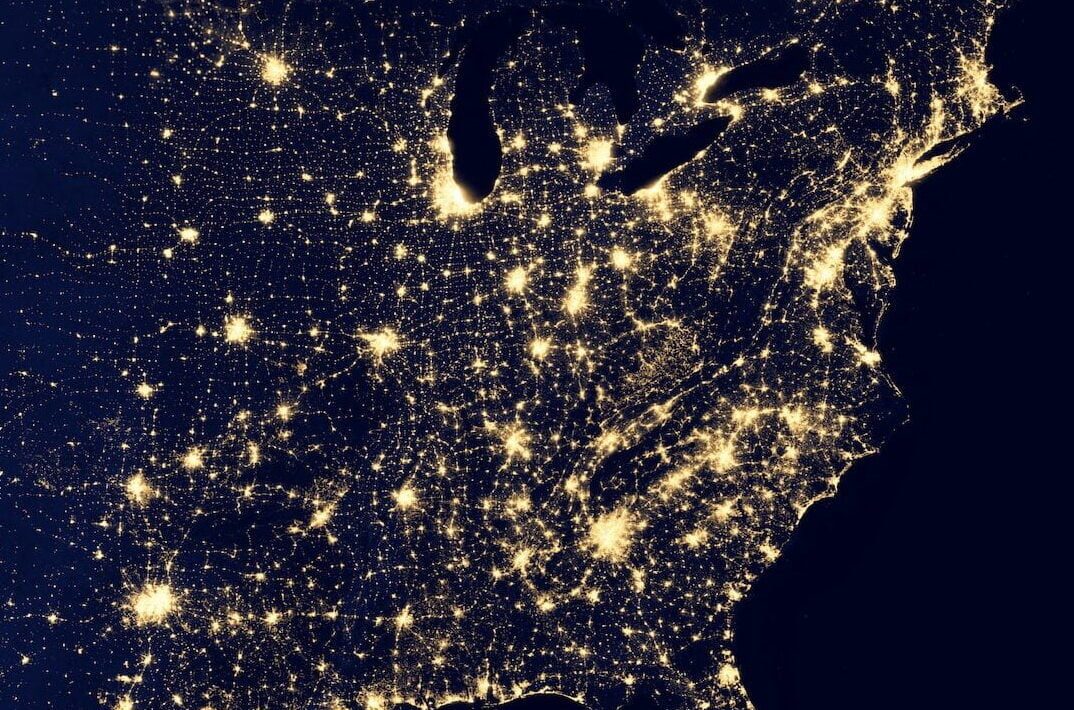
On November 8th, US midterm elections will take place with all House seats, 35 Senate seats and 36 governor seats up for election. Forecasts are close with Republicans favored to win the House, while Democrats are favored to keep the Senate. Results will strongly impact what President Biden can achieve in the coming two years.

How Did The Fracking Vote Lead To Liz Truss’ Resignation?

by Georgia Fulton What Was The Fracking Ban Vote? Liz Truss, former British Prime Minister, declared her resignation from the post just one day after the Labour opposition tabled a motion in the House of Commons to ban fracking. Conservative whips initially said that the vote (which took place on 19 October 2022) was being...

Criminal Law And The Environment: What Are The Difficulties?

Within the strict interpretation of the law, “corporate environmental crimes are strictly speaking not a crime”. The 2008 Environmental Crime Directive states that there is no need to demonstrate the defendants' intention, negligence or fault concerning the harm caused.

The Great Compromise: House of the People

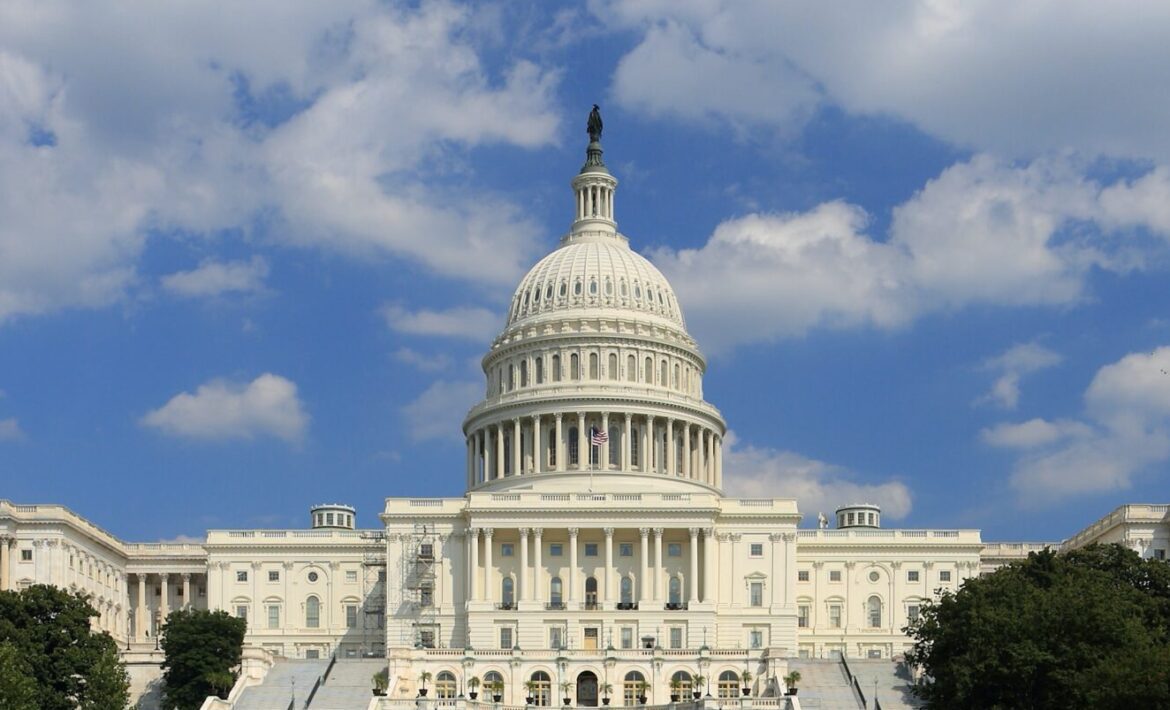
The House is one of the legislative chambers in Congress and drafts and proposes legislation. Representation in the House is based on population size: states with a larger population have more representatives making it the more democratic of the two chambers. Work is largely done through standing committees, each having a specific policy area such as agriculture, natural resources, etc.

Urgenda Against The State Of The Netherlands

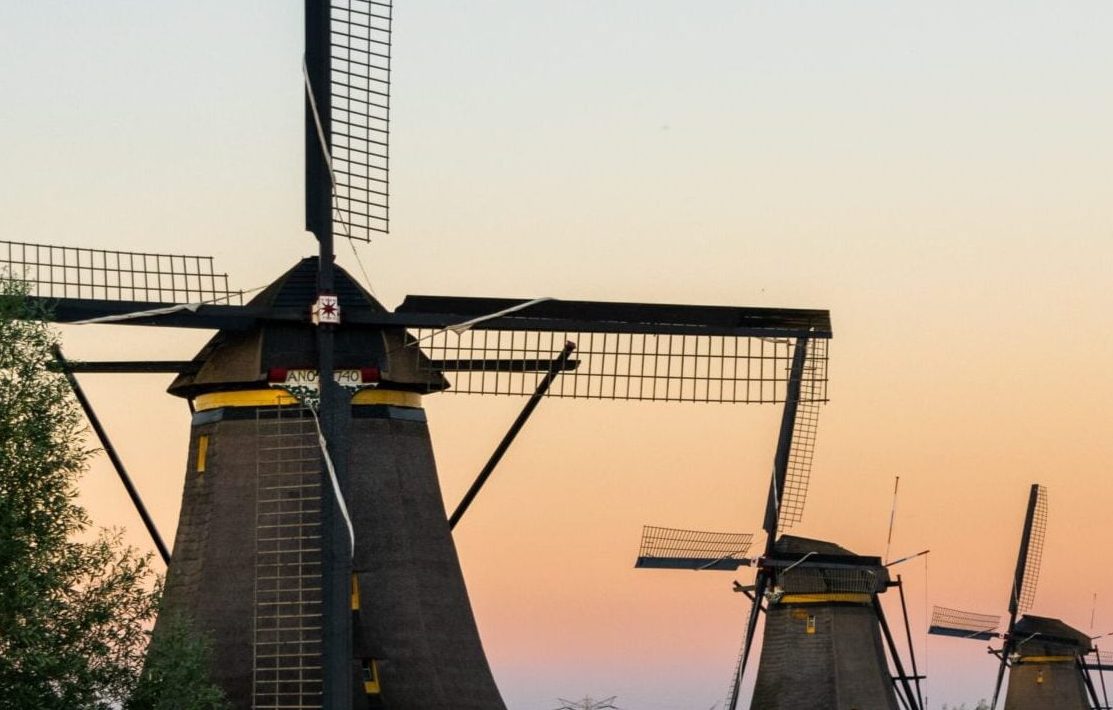
As it hasn’t sufficiently reduced greenhouse gas emissions, the Netherlands couldn’t fulfill its duty of care towards its citizens, neither under Dutch Tort Law nor from a Human Rights perspective. According to the issuing courts there is a sufficient causal link between the greenhouse gas emissions of the Netherlands, global climate change, and the Dutch living environment, even if these emissions are relatively small. The courts played an important role in this case and were able to interfere in policy matters (despite the separation of powers) as they only set the required mitigation outcome but no specific measures on how to reach this outcome.