
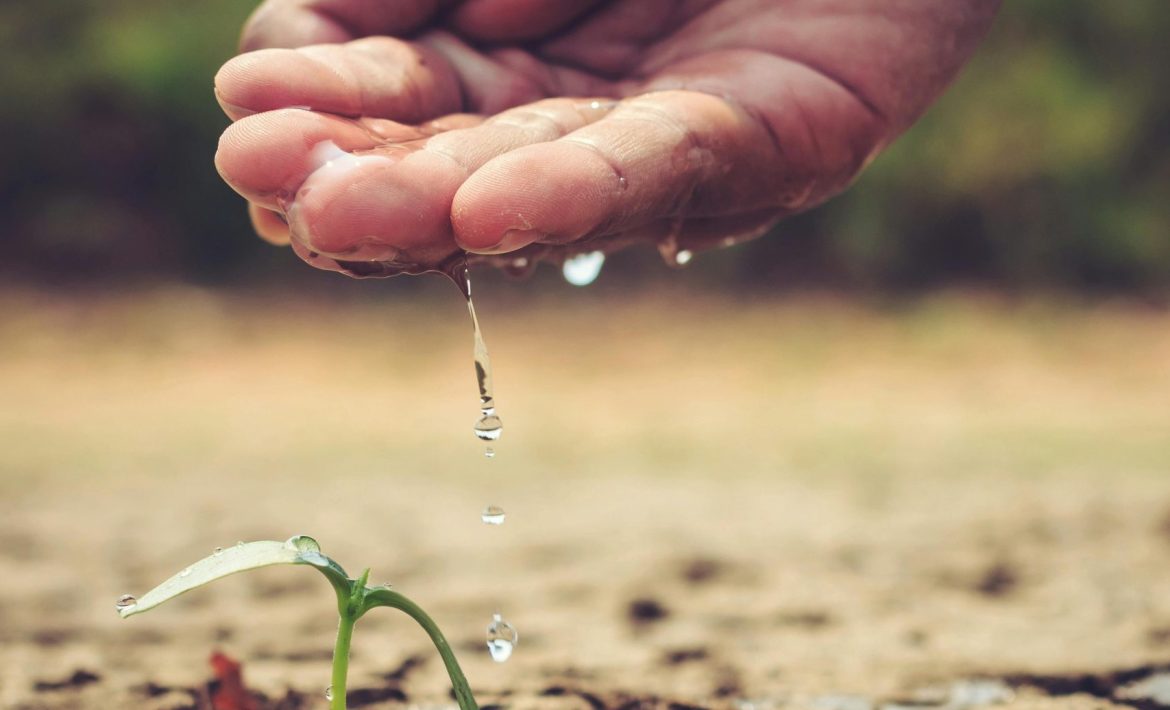
Environmental Education: The Key To A Sustainable Future

Environmental education is essential for building a sustainable future, as it empowers individuals and communities to mitigate and adapt to the effects of climate change. By integrating practical skills and fostering a sense of agency, it promotes active citizenship and sustainable practices, such as conservation and resource management. Inclusive and equitable environmental education ensures that marginalized groups, who are often most vulnerable to climate change, are equipped with the knowledge and tools needed to enhance resilience and drive long-term environmental stewardship.

From Colonial Extractivism to Neo-Extractivism: A Modern Resource Curse?

Economic instability and social inequality in resource-rich nations, often referred to as the "resource curse," are rooted in the extractivist economic model. Neo-extractivism, while aiming to allocate resource revenues to social welfare, often perpetuates detrimental cycles of exploitation. Despite reformist intentions, neo-extractivism can lead to severe social and environmental issues as seen in countries like Honduras and Ecuador.

Government-Indigenous Joint Management of Environmental Sites: 50 Years Cobourg Peninsula

Australia was the first country to designate a Wetland of International Importance under the Convention on Wetlands of International Importance, otherwise known as the Ramsar Convention. Cobourg Peninsula is one of 67 Australian Ramsar wetlands, covering 8.3 million hectares; globally there are over 2,500 Ramsar sites today, covering more than 250 million hectares. Cobourg Peninsula is jointly managed by the Garig and Iwaidja Arrarrkbi peoples through the Garig Gunak Barlu National Park and the Northern Territory Government, namely the Parks and Wildlife Commission.

Virtual Island Summit 2024: Summary

The 2024 Virtual Island Summit highlighted the challenges faced and sustainable solutions being developed by island communities across multiple sectors and industries. COP29 CEO Elnur Soltanov announced the Presidency’s commitment to the NCQG and the finalization of Article 6 of the Paris Agreement, setting the stage for climate finance negotiations in Baku. St. Kitts and Nevis was revealed as the next location for the Global Sustainable Island Summit (GSIS). The 2025 event will focus on the nexus between water sustainability & energy, agricultural resilience & climate adaptation, climate-health interactions and geothermal energy.

Indonesia’s New Capital City: An Environmental Justice Perspective

The relocation of Indonesia's capital from Jakarta to Nusantara is framed as a solution to the environmental crisis facing the sinking city, yet this narrative overlooks deeper issues of environmental justice. The relocation raises significant concerns, including land degradation, displacement of Indigenous communities, social inequality, and overlooked environmental issues. Without a more inclusive and sustainable approach, the relocation could exacerbate inequalities in both the new and old capitals.

How Should Climate Mobility Be Addressed In The Global Goal On Adaptation?

Elements of Human Mobility due to Climate Change (HMCC), such as migration and planned relocation, are increasingly being recognised as effective strategies for adaptation. Integration of HMCC into the Global Goal on Adaptation (GGA) will lead to a better understanding of this issue by developing quantifiable and measurable targets and indicators. HMCC can be integrated into GGA by including it as part of the iterative adaptation cycle, inviting The Taskforce on Displacement in consultations, understanding the inclusion of HMCC in existing NAPs and by broadening the scope of Adaptation Finance.