Small Island Developing States Win: GHGs Declared Ocean Pollutants

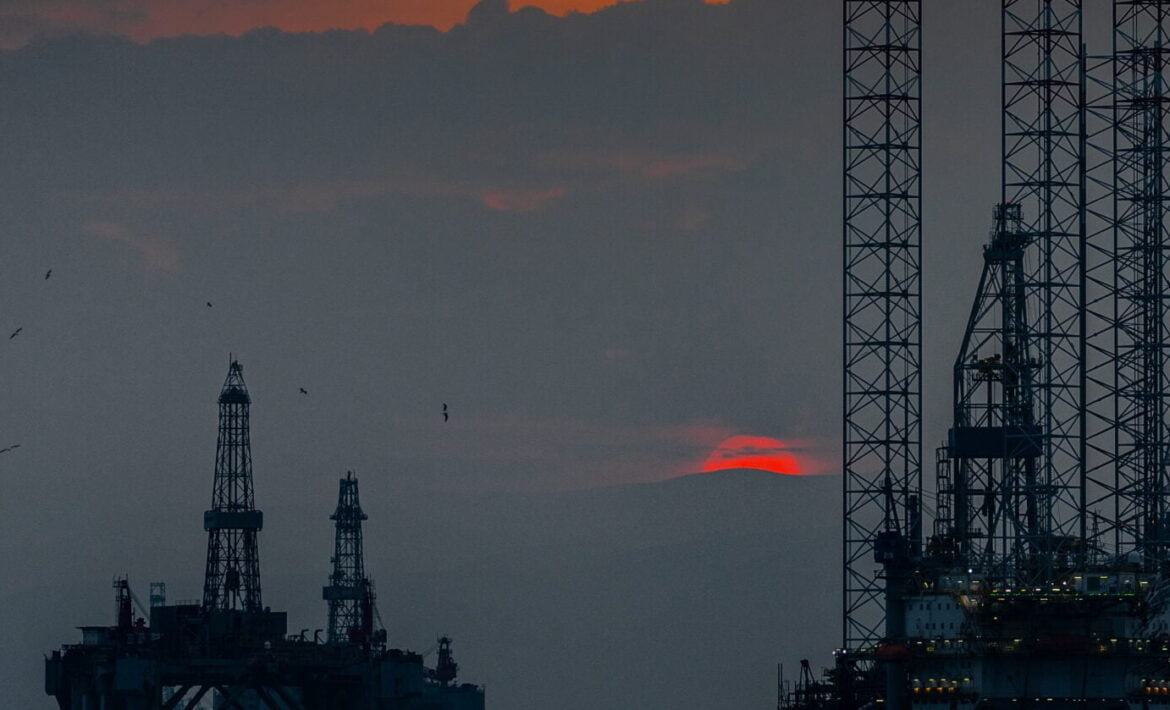
The legal frameworks for climate-related litigation are strengthened by the ITLOS advisory opinion, which classifies greenhouse gases as marine pollutants. This decision enables Small Island Developing States (SIDS) to advocate for more stringent climate action and to access climate financing. The ruling underscores the pressing necessity for global collaboration to mitigate the effects of climate change on marine ecosystems, despite opposition from several State Parties.

Criminalising Climate Activism: Recent Trends

Governments across the world are using harsh tactics like arbitrary arrests, excessive force, surveillance, and criminalization of protests to silence climate activists and environmental defenders. In democratic nations like France, Germany, the U.S. and India, climate protests are increasingly being met with aggressive police crackdowns, hefty fines, and the portrayal of activists as threats to public order and economic interests. Even in international climate conferences, climate activism is being met with negative responses, signaling concern to the global crackdown of eco-activism.

Loss & Damage Fund: Developed Nations Delaying Action and Undermining Climate Justice 

Developed countries contribute more to climate change but are disproportionately burdened by its impacts, and often have fewer resources to cope A Loss & Damage fund was agreed at COP28, but developed nations' failure to elect board members delays vital action for vulnerable communities. This neglect of commitments shows weak climate leadership, undermining justice for those most affected by climate change.

What Is ‘Green Colonialism’ And How Do We Decolonise Policy?

Green Colonialism urgently needs to be acknowledged and addressed to decolonise and de-Westernise climate change policies. Renewable energy and conservation policies around the world are curtailing and harming Indigenous land rights and communities. Climate policies need to be decolonised by addressing Green Colonialism and ensuring representation and collaboration of Indigenous Communities and the Global South.

The Global Indigenous Youth Summit On Climate Change (GIYSCC) – Advocating For Indigenous Youth Rights and Recognition

Both national and international climate change policies such as COP fail to acknowledge the importance of Indigenous Knowledge in the context of the climate crisis. The Global Indigenous Youth Summit On Climate Change (GIYSCC) held on the 9th of August brought Indigenous youths from all over the world to co-create dialogues that fostered the exchange of climate crisis mitigation and adaptation ideas.

What Is The EACOP?

The East African Crude Oil Pipeline (EACOP) is a 1,443 km heated and buried pipeline that will export oil from Hoima in Uganda to Tanga port in Tanzania. The EACOP will cost an estimated $3.5 billion to construct The construction of the pipeline has been controversial owing to environmental and social impacts, as well as concerns about the negative effects of fossil fuel use.

Climate Crisis And Poverty: Why The Impact Is Not Shared Equally

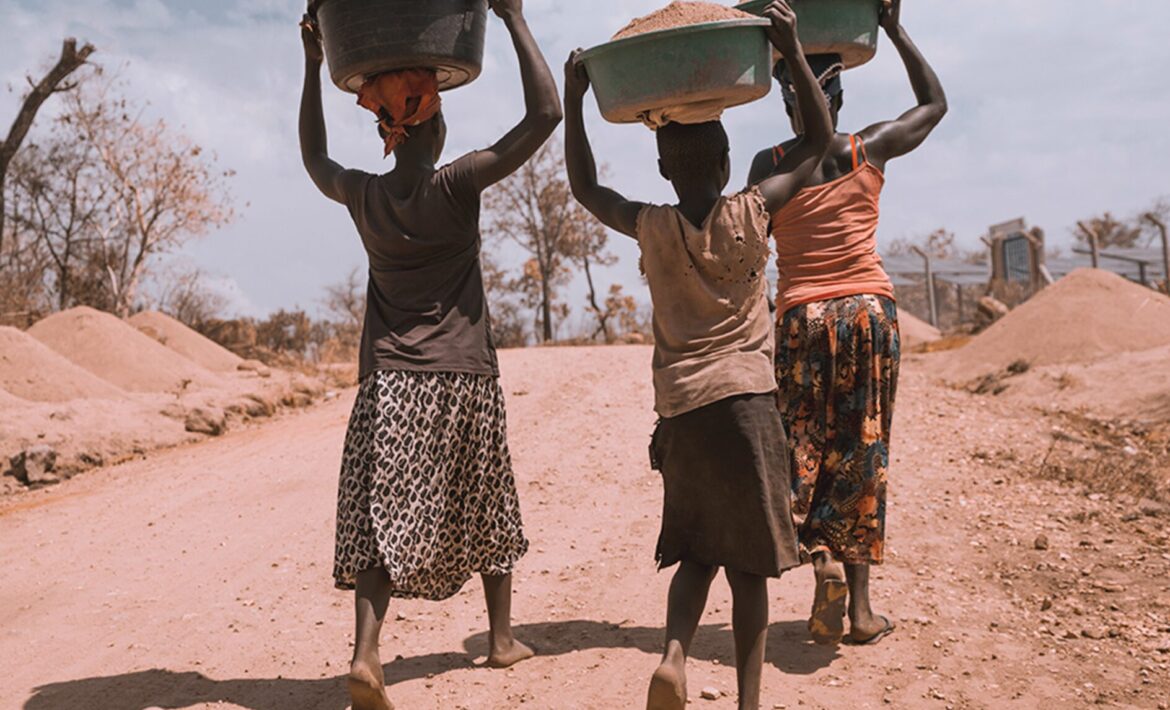
Individuals in low-income communities are more affected by inadequate waste management and resource exploitation. People who live in poverty are more susceptible to the consequences of climate risks and lack the adaptive abilities to reduce their exposure than those who have access to education

Gender Inequality And Adaptation

Only 18 % of appointed ministers worldwide are women. The vulnerability of women to the climate crisis is not only environmental but it is also rooted in its intersection with socio-economic and cultural factors, as well as lack of gendered policy. The inclusion of women in decision making and climate related policies is vital to combating women’s vulnerability to the climate crisis.