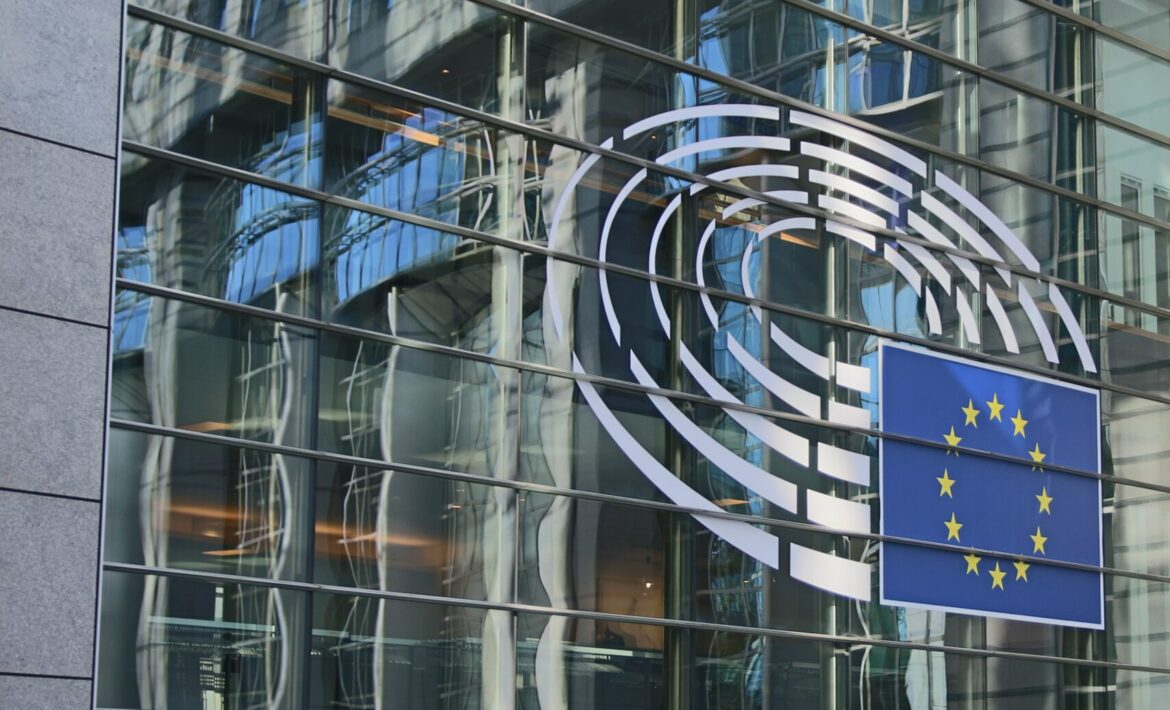
Fit For 55: TRAN/ITRE Committee Meetings 03/03/2022

Energy taxation should take into account the mix of energy, energy poverty and monitoring, and the difference between the Member State practices. The scheme for energy taxation should be implemented as soon as possible, taking into account the urgency of the climate crisis. The energy taxation should be used as a catalyst for speeding up the use of renewables within each Member State

Fit For 55: Environmental Council Meeting, 17/03/2022

On March 17th, the Environmental Council met to discuss the extension of the ETS to road transport and buildings and the Social Climate Fund. A majority of countries support extension of the ETS though some still have concerns regarding social impacts. Support for the Social Climate Fund was more limited. The Council shared a progress report on other files and it was announced that a general approach on CBAM was reached.

Sneak peak of the EU Parliament on Making Transport Fit For 55

Concerning aviation and the maritime sector, MEPs recognize the need to shift to alternative “green” fuels. However, some fear that this will diminish the EU’s competitiveness. The same issue arises for the ETS revision where some argue the additional costs for achieving the climate goals are highly problematic. Some MEPs say that here the social climate fund comes into play, which should help low-income families and SMEs with the transition. The French presidency agrees with the importance of a socially fair transition and is in line with opinions on the energy efficiency directive that transport poverty must be avoided e.g., by focusing on public transport.

IPCC’s Sixth Assessment Report: “No Climate Policy” Scenarios

What is a ‘No Climate Policy’ Scenario? Read on to find out how the IPCC have assessed potential future scenarios. The sixth assessment report is the most comprehensive analysis of the climate crisis to ever be released. The AR6 also highlighted the risk of compound events, recognising that extreme weather events such as heatwaves and droughts are more likely to occur simultaneously, as well as becoming more frequent in the future.

Reflections from the First Week at COP26

COP26 started on Sunday 31 November 2021. The first week of the conference saw a two-day World Leaders Summit and respective days on finance, energy, youth empowerment and nature. ClimaTalk has been tracking these topics and in this article presents the headline outcomes and thoughts from week one of COP26. We have also highlighted the developments and failures in the inclusion of Indigenous Peoples thus far at COP26. Some of the biggest positive outputs include: the pledge to end deforestation by 2030, an agreement to end overseas public funding of fossil fuels by 2022, commitments to climate education, and finance for protecting Indigenous Peoples’ forest rights.

Robin Fontaine’s Reflections on COY16 and the Global Youth Statement

COY16 took place in Glasgow on 30 to 31 October 2020 and saw delegates from 140 countries attend. Robin Fontaine reflects on his experience at COY16 and states that the most significant output of COY16 was the Global Youth Statement, which demanded youth inclusion during policy negotiations and climate change governance.