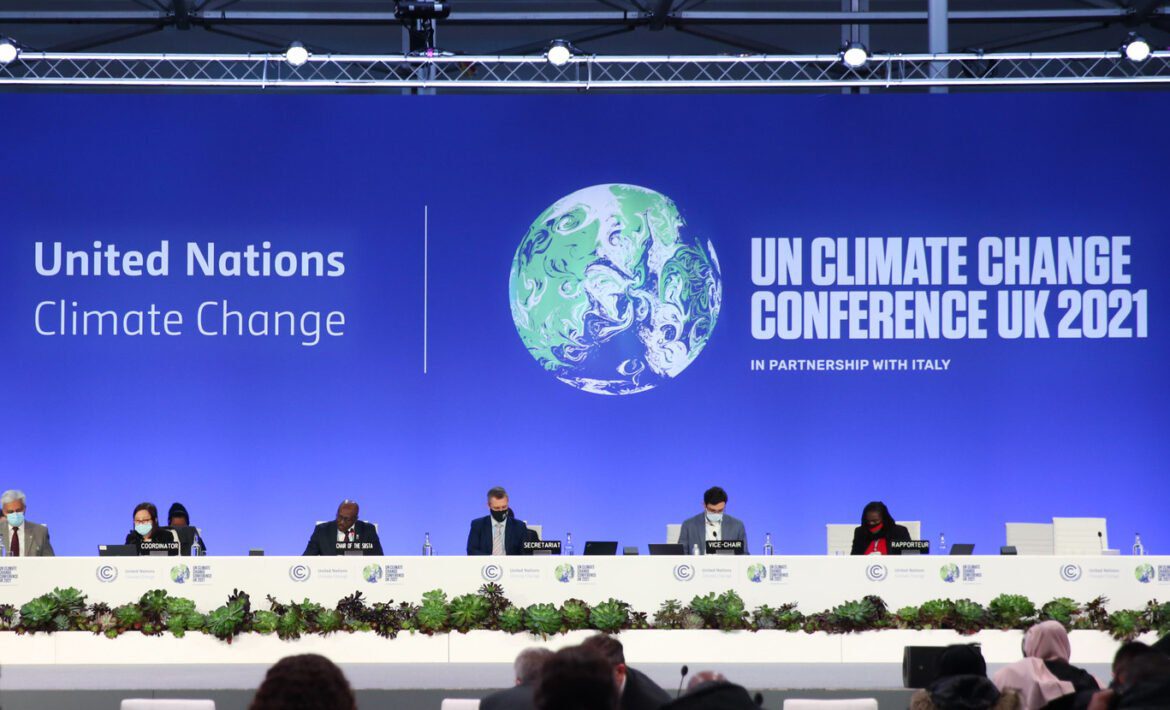
Looking to COP26: A Focus on Discussion Topics for Week 2

Week two of COP26 will include negotiations and discussions on adaptation, transparency, loss and damage, science, nature, and the transport sector. ClimaTalk will be hosting live sessions on these topics between Monday 8 November and Friday 12 November As the second week of COP26 draws to a close, ClimaTalk will be discussing whether the Glasgow COP delivered on the expectations placed on the summit. Follow ClimaTalk to stay up to date on all the topics outlined in this article.

Categories COP26 Tags

Robin Fontaine’s Reflections on COY16 and the Global Youth Statement

COY16 took place in Glasgow on 30 to 31 October 2020 and saw delegates from 140 countries attend. Robin Fontaine reflects on his experience at COY16 and states that the most significant output of COY16 was the Global Youth Statement, which demanded youth inclusion during policy negotiations and climate change governance.

Looking to COP26: A Focus on Discussion Topics for Week 1

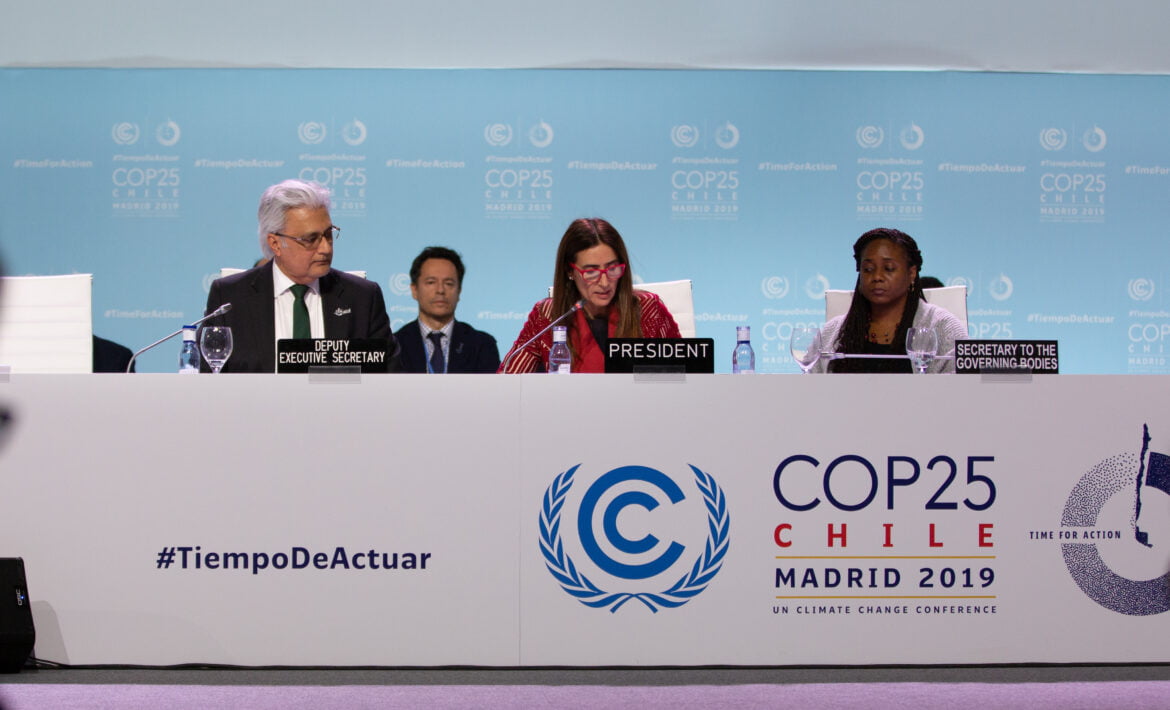
ClimaTalk’s previous article, The Paris Agreement: A Focus on Unresolved Issues, delved into aspects of the Paris Agreement that were left unresolved at the end of the 25th Conference of the Parties (COP). These included Article 6 and carbon markets, funding mechanisms for loss and damage, the timescales for the submission of updated Nationally Determined Contributions (NDC), climate finance, and how to quantify and report emissions.

CBAM: Creating a Level Playing Field

Companies buy certificates that they have to surrender for their imported emissions for certain goods. Left-over certificates can be resold to the Member States, but not traded, and can only be held onto for a limited time. During a transitional period, companies will only have to report, but not surrender, certificates for their imported emissions CBAM is a complex system and several points of discussion remain

Categories EU - Policies

Understanding EU Policy-making

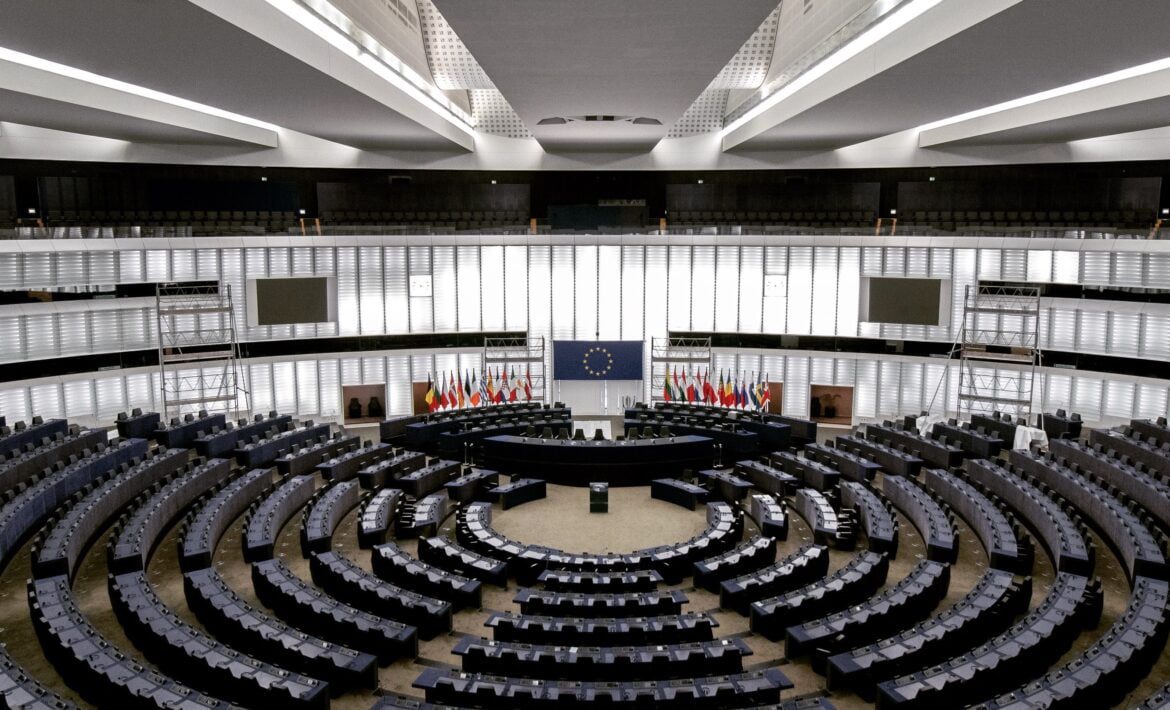
Out of all international organisations, the EU is considered to have some of the most extensive climate protection laws, and it is regarded as a regional and global leader in environmental protection. Nonetheless, the process of EU decision-making can be notoriously overwhelming for citizens to engage with the process, or to appreciate it. It takes place at multiple levels, and involves several bodies and representatives from twenty-seven countries. In short, the EU is often regarded as complex precisely because of its inclusivity, its long history of evolving bureaucracy and flexibility, as well as its commitment to reach agreement among all stakeholders. To properly understand how policy-making works, it is necessary to first understand the role which is played by each of the EU institutions.

Categories EU - Policies

Understanding the EU Forest Policy

Adopted in July 2021, the EU forest strategy is the European Union’s plan to improve the quantity and quality of forests in its Member States. It is part of the “Fit for 55” package, the EU’s overall plan to reduce emissions by 55% by 2030 compared to 1990 levels. The forest strategy aims to strengthen forest protection, restore biodiversity and carbon pits, and increase the resilience of natural habitats. Not only that, but it is also an ambitious plan to create jobs and improve health conditions, although it does have drawbacks.

Categories EU - Policies